Qingyuan moksha Biotechnology Co., Ltd


Peptides have become the most common anti-ageing story in premium skincare, and the one most often over-claimed. A peptide is not a single ingredient: the term covers hundreds of short chains with very different solubility, charge and stability behaviour. That variability is why two serums can both list peptides and behave nothing alike. Peptide serums are decided by peptide selection and system compatibility, not by the presence of the word on the carton. This guide covers what to settle before sampling.
Choosing Between Peptide Families
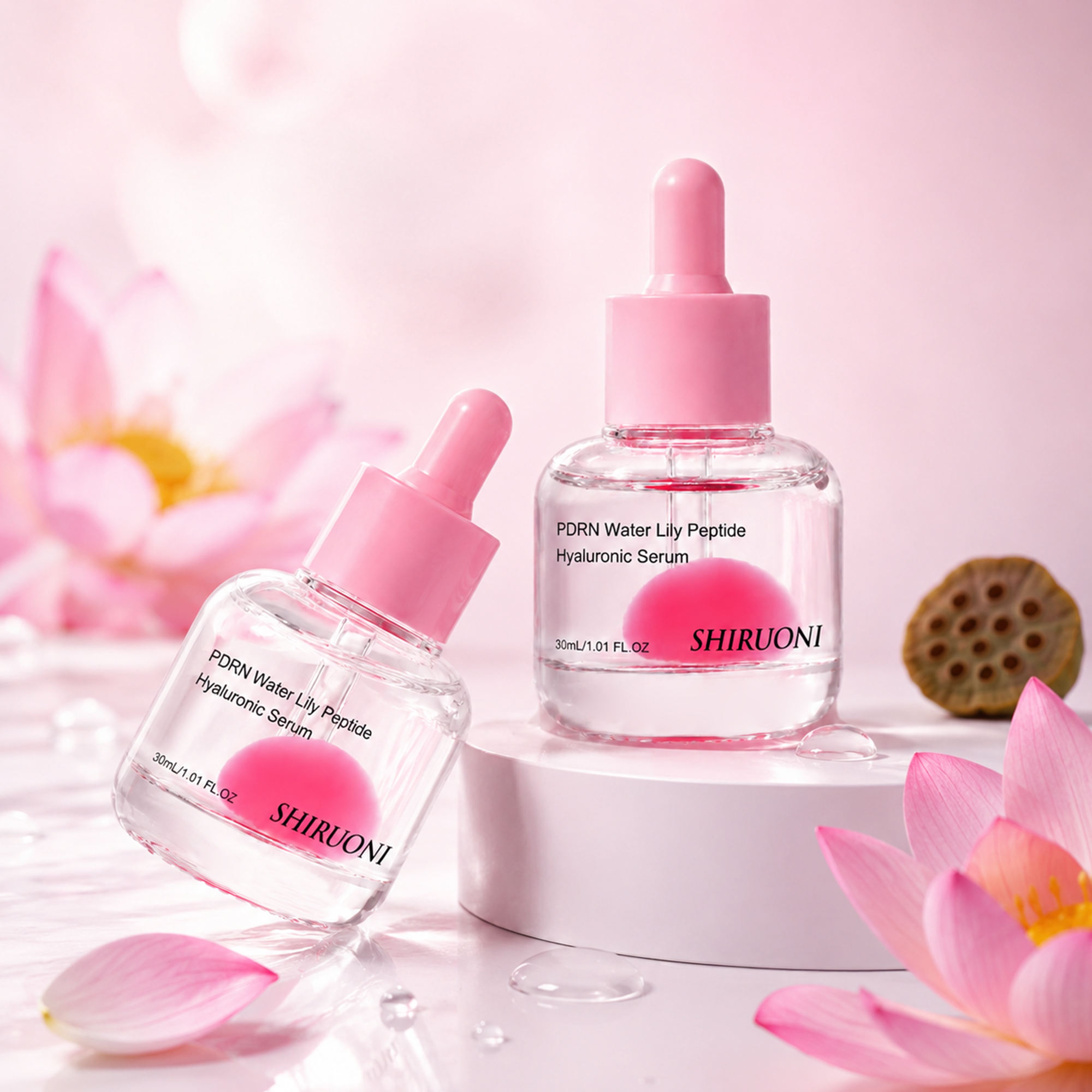
Signal peptides, carrier peptides, neurotransmitter-inhibiting peptides and enzyme-inhibiting peptides each work through a different route, and each carries its own formulation constraints. Decide which family carries the claim before the formula is written, because the choice shapes pH, preservation and packaging. Many commercial serums combine two families to support a broader narrative, which is reasonable provided the two are compatible in the same base. A reference format is this peptide and PDRN facial serum.
pH Compatibility Is the Main Constraint
Peptide stability is highly pH dependent. Some chains are stable across a wide range; others hydrolyse quickly outside a narrow window, and the degradation is not always visible in appearance during the first few weeks. Fix the pH of the base first, then choose peptides that tolerate it, rather than adjusting pH around the peptides. The reason is practical: the rest of the formula, including the preservative system and any acid-based actives, also has a preferred pH, and the peptides are rarely the component with the most flexibility.
Combining peptides with acids and vitamin C
Low-pH actives are the usual conflict. If the concept requires both, the practical routes are physical separation in a dual-chamber pack, an anhydrous base, or a claim set that reflects a lower peptide dose in a compatible system. Assuming both actives will survive a low-pH base without testing is the most common formulation error in this category. A comparable multi-active format is this peptide and probiotic serum.
Preservation and Packaging
Peptides are nutrients as well as actives, which means a preservative system that works in a simple gel may behave differently in a peptide-rich serum. Challenge test the finished formula, and confirm the preservative does not bind or inactivate the peptide. Packaging does more work here than in most categories: oxidation and light exposure drive peptide degradation, so opaque or airless formats extend the usable shelf life materially. Choosing an airless pump is often the cheapest stability improvement available in a peptide programme.
Stability Testing and What to Measure
Standard three-condition stability is the baseline, but appearance is a weak indicator for peptides, since degradation often precedes any visible change. Request assay data for the peptide content at each stability checkpoint, not only a visual description. That single request converts a stability report from an opinion into a measurement. Confirm as well who owns the analytical method, because a supplier change later can otherwise leave you unable to verify your own product. Owning the test method protects the formula through future reformulation.
Claims That Hold Up
Cosmetic claims must rest on evidence appropriate to their wording. Descriptive language about appearance and feel is treated differently from language implying a physiological effect, and the second category needs supporting documentation in most markets. Write the claim set before the formula is locked so the supporting tests enter the same programme rather than a later one. Manufacturer documentation is summarised on the about us page.
Peptides reward precision. Choose the family against the claim, fit the base pH to the peptide, protect the formula in the pack, and measure the active rather than the appearance. A peptide serum that holds its assay value through shelf life will outperform a higher-dose formula that degrades before the consumer opens it. Send your specification through the inquiry form to scope a sampling plan.
Frequently asked questions
Can you produce Peptide Serum Private Label under our own brand?
Peptide Serum Private Label is handled as a private label project: you bring the brand and the market position, we cover formula, bulk, filling and packing. Existing bases can be adjusted for texture, fragrance and active level, or we develop from a new brief. Tooling and artwork belong to you, and our name does not appear on the pack.
What is the minimum order quantity?
MOQ is set by net fill per unit, not by category:
| Net fill | MOQ |
|---|---|
| < 15 ml/g | 5,000 pcs |
| 15-50 ml/g (50 included) | 3,000 pcs |
| 50-200 ml/g (200 included) | 2,000 pcs |
| > 200 ml/g | 1,000 pcs |
Several SKUs in one project can share a production run to reach the threshold, and a smaller trial order is possible once the formula is approved.
How long do samples and bulk production take?
Samples take 7-10 working days from a confirmed brief, or 10-15 days when a new mould or artwork is involved. Bulk runs 25-35 days after sample approval and packaging arrival. Repeat orders with an unchanged formula usually move faster.
Which certificates and documents come with the shipment?
The plant runs under GMPC and ISO 22716 with a 100,000-class cleanroom. Each shipment can include COA, MSDS, the full INCI list, stability data and microbiological reports. For the EU we support CPSR and PIF paperwork; for other markets we prepare the file set your importer asks for.
Can we change the formula, fragrance or packaging?
Yes. Texture, viscosity, fragrance, colour and active percentage are adjustable within regulatory limits. Packaging can be sourced by you or by us: tubes, airless bottles, jars, sachets and aluminium foil bags, with silkscreen, hot stamping or label application.
What information do you need to quote?
Category and target function, quantity per SKU, packaging direction, destination market and launch date. With that we reply within 24 hours on business days with feasibility, MOQ and a price range. An NDA can be signed before formulas are discussed.
Need this produced? Talk to the factory.
Wangsha Bio has run OEM/ODM production since 2006: 60,000 sqm plant, 17 lines, 100,000-class cleanroom, GMPC and ISO 22716 certified. Send your brief and we reply within 24 hours on business days with feasibility, MOQ and a price range.
Email lucky@moksha-bio.com | Product range | Workshop