Qingyuan moksha Biotechnology Co., Ltd


Overnight masks occupy a useful gap in a skincare range: they promise visible morning results, they justify a higher price per jar than a day cream, and they do not compete directly with anything the customer applies at breakfast. They also fail in ways day products never do, because the formula spends eight hours under a pillow, a face and a cotton case. A leave-on night product is judged by what happens on the pillowcase as much as on the skin. This guide covers format choice, occlusion, pack design and the morning-feel questions worth settling before sampling.
What a Sleep Mask Has to Do Differently
A night mask is a leave-on product with an unusually long contact time and an unusually uncontrolled environment. Heat builds under the sleeper, friction moves the product across the skin, and a portion of it ends up on fabric. Transfer to bedding is a specification item, not a cosmetic detail, because staining complaints arrive faster than any efficacy feedback.
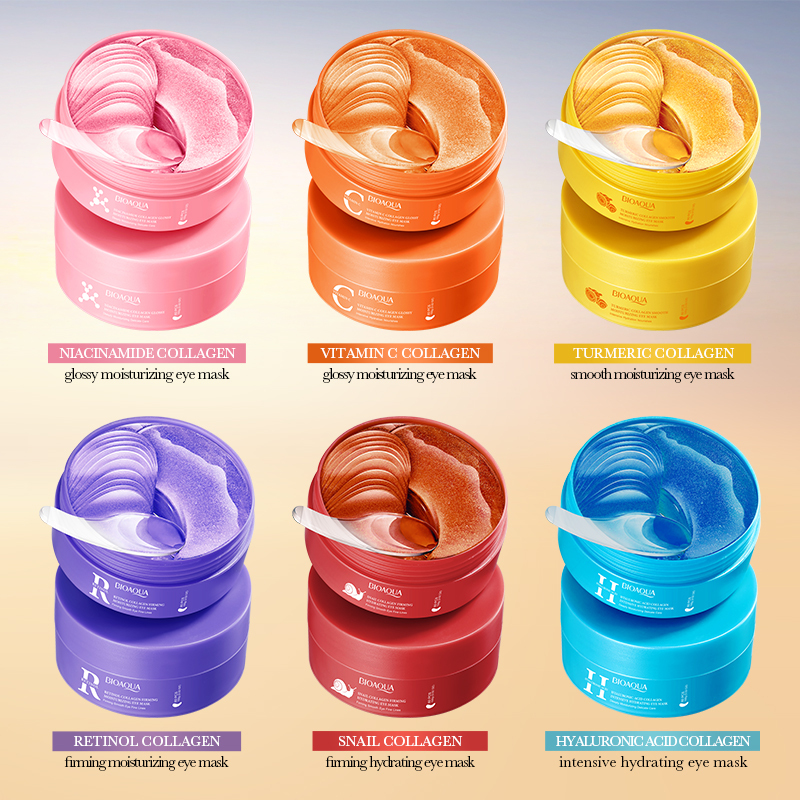
The second difference is dosage behaviour. Users apply a night mask generously, because the format invites it, so the cost per unit is higher and the texture must stay pleasant at double the usual quantity. Formulate the night mask at the generous dose the format invites, not at the sparing dose of a day cream. Existing jar-mask formats in the range include this turmeric jar mask reference.
Occlusion Without Heaviness
The commercial promise of an overnight product is occlusion: holding water against the skin for hours so the morning skin looks plumper. Occlusion is delivered by the heavier fraction of the oil phase and by film-formers, both of which are also the ingredients most likely to feel greasy or stain fabric. The practical target is occlusion that fades within ten minutes of waking, because nobody keeps using a product that feels present at breakfast.
Three levers control this: the ratio of occlusive to lighter emollients, the volatility of the lighter fraction, and the film-former load. Testing should measure residue at a fixed interval after application, not just the immediate feel. A fixed residue checkpoint turns the morning-feel argument into a number the panel can repeat.
Gel, Cream or Jelly: Choosing the Format
Night formats divide into three families. Sleeping gels are water-rich, feel cool, and rely on humectants plus a light film for their effect; they suit oily and combination skin and humid climates. Sleeping creams carry the occlusive load and suit dry skin and air-conditioned environments. Jelly textures sit between the two and photograph well, which matters for social-first channels. Pick the format against the target climate and skin type, because a gel that delights in a coastal summer market disappoints in a heated winter one.
Multi-step sets extend the positioning: a wash-off step before the leave-on layer gives the user a ritual and raises the basket size. A three-piece structure is shown in this multi-step mask reference, and the wider range is listed in the product range.
Pack design follows the texture
Jars communicate the generous-dose ritual but expose the product to fingers and to bathroom humidity; pumps and tubes protect the formula but undercut the spa impression that sells the category. If a jar is chosen, the preservation plan has to assume fingertip introduction. The pack and the preservation system are one decision in this category, and splitting them invites a late reformulation.
Preservation and Stability for Long-Contact Leave-Ons
A water-rich gel kept in a warm, half-open jar for weeks is the most demanding preservation scenario in ordinary skincare. Lowering water activity through humectant loading helps, and so does choosing a preservation system with a margin at the product pH. Preserve the night gel for the jar it will actually live in, not for the laboratory beaker it was born in.
Stability work should include elevated temperature, a freeze-thaw cycle for products shipping across climates, and an odour checkpoint at every stage, because a night product sits under the nose for hours. An odour drift that a day cream hides becomes a complaint in an overnight format. Production and cleanroom conditions are described in the workshop overview.
Morning Feel, Claims and the Launch Brief
Claims for sleep masks drift toward transformation language, and this is where launch plans get delayed. Wording should stay with appearance and experience: how the skin looks in the morning, how the product feels on application, what the format does overnight. Write the claim set from the format's real strengths, because a restorative promise the file cannot support stalls the registration work.
Three items belong in the written brief: the residue standard at the fixed morning checkpoint, the transfer performance on cotton fabric, and the preservation challenge method run on the finished pack. Transfer testing on real bedding fabric belongs in the sampling plan, because it is the complaint channel customers actually use. Manufacturer credentials are summarised on the about us page, and project briefs can be submitted through the contact page.
Overnight formats sell a small ritual and a visible morning, and they punish sloppy specification more visibly than any day product. Fix the format against climate, prove the residue fades, preserve for the jar, and test transfer on the fabric: those four steps keep the category's promise intact.
Frequently asked questions
Can you produce Overnight Sleep Masks and Leave-On Night Gels under our own brand?
Overnight Sleep Masks and Leave-On Night Gels is handled as a private label project: you bring the brand and the market position, we cover formula, bulk, filling and packing. Existing bases can be adjusted for texture, fragrance and active level, or we develop from a new brief. Tooling and artwork belong to you, and our name does not appear on the pack.
What is the minimum order quantity?
MOQ is set by net fill per unit: under 15 ml/g 5,000 pcs; 15-50 ml/g 3,000 pcs; 50-200 ml/g 2,000 pcs; above 200 ml/g 1,000 pcs. Several SKUs in one project can share a production run to reach the threshold.
How long do samples and bulk production take?
Samples take 7-10 working days from a confirmed brief, or 10-15 days when a new mould or artwork is involved. Bulk runs 25-35 days after sample approval and packaging arrival. Repeat orders with an unchanged formula usually move faster.
Which certificates and documents come with the shipment?
The plant runs under GMPC and ISO 22716 with a 100,000-class cleanroom. Each shipment can include COA, MSDS, the full INCI list, stability data and microbiological reports. For the EU we support CPSR and PIF paperwork; for other markets we prepare the file set your importer asks for.
Can we change the formula, fragrance or packaging?
Yes. Texture, viscosity, fragrance, colour and active percentage are adjustable within regulatory limits. Packaging can be sourced by you or by us: tubes, airless bottles, jars, sachets and aluminium foil bags, with silkscreen, hot stamping or label application.
What information do you need to quote?
Category and target function, quantity per SKU, packaging direction, destination market and launch date. With that we reply within 24 hours on business days with feasibility, MOQ and a price range. An NDA can be signed before formulas are discussed.
Need this produced? Talk to the factory.
Wangsha Bio has run OEM/ODM production since 2006: 60,000 sqm plant, 17 lines, 100,000-class cleanroom, GMPC and ISO 22716 certified. Send your brief and we reply within 24 hours on business days with feasibility, MOQ and a price range.
Email lucky@moksha-bio.com | Product range | Workshop