Qingyuan moksha Biotechnology Co., Ltd


The formula decides whether a product works; the pack decides whether anyone picks it up. On a dense shelf, the first judgement is made in seconds and it is made from surface finish, print quality and colour accuracy. Decoration is not a cosmetic afterthought, it is part of the product positioning. This guide covers the main printing routes, surface finishes, their cost implications and how to run a proofing round that does not come back.
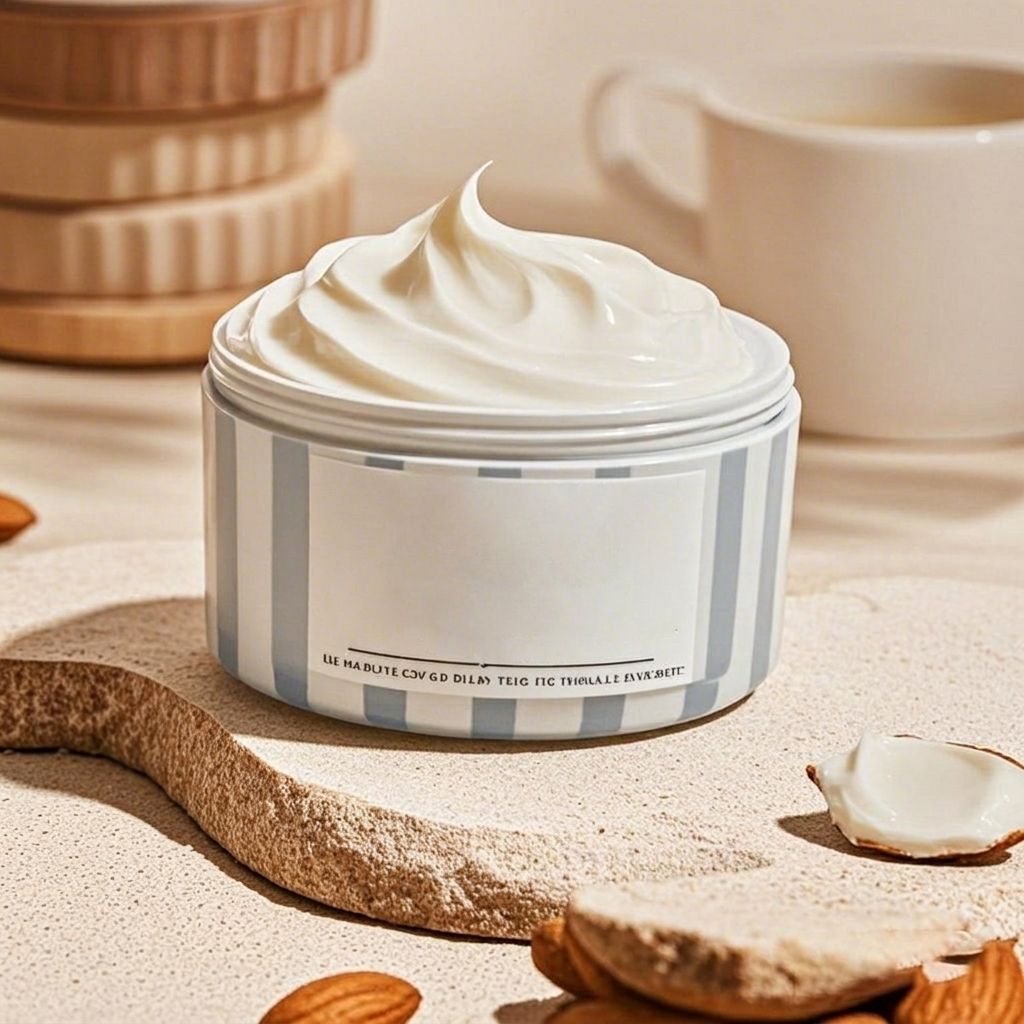
Printing Methods and Where Each One Fits
Screen printing handles large areas and few colours with a heavy ink deposit, which is why it dominates short-run cosmetic decoration. Hot foil stamping adds a local metallic highlight and needs a flat substrate to sit cleanly. Heat transfer printing manages multi-colour detail, gradients and small type better than screen printing. Self-adhesive labels are the cheapest and the most flexible option, since artwork can be changed between runs without touching the pack itself. Match the method to the artwork complexity first, then to the volume, and only then to the visual ambition.
A practical rule runs through most projects: keep the most demanding effect on the smallest area. Concentrating complexity in one focal element controls both cost and reject rate.
Surface Finish and Perceived Quality
Gloss, matt, soft-touch and sandblasted finishes each read differently in the hand. Gloss keeps colours clean and bright, matt looks restrained but shows fingerprints, and soft-touch coatings provide a distinctly different grip that separates a product from its neighbours on the same shelf.
The critical point is that finish changes how colour appears. The same colour value printed on a gloss and a matt surface will not look identical in the hand or under store lighting. Colour approval has to follow finish selection, because reversing the order means re-proofing.
Decoration and protection at the same time
The pack also performs a protective function. Products containing light-sensitive or fermented materials need the pack to limit light transmission, and thin formulas place more demands on pump sealing. Appearance and protection decisions belong in the same conversation.
Cost, Lead Time and Volume
Decoration cost tracks three variables: the number of print colours, the number of finishing passes, and the run length. Each additional colour or pass adds set-up time and waste, and longer runs spread those fixed costs over more units. Removing one finishing pass often improves the overall result more than adding a colour.
Short-run projects are best served by reducing the number of passes and spending the budget on the element the buyer sees first. Established stock packs combined with custom labels are illustrated in this customised packaging reference, and a multi-item format is shown in this gift set example.
Running a Proofing Round
Work through a fixed checklist when the physical proof arrives: colour deviation against the standard, legibility of small type and barcodes, artwork fit against the curvature of the pack, cap and pump feel plus dispensed volume, and overall weight and balance. Retain a signed sample and record each result so that bulk production can be compared against it.
Mandatory labelling information belongs in the same review, including the ingredient list, net content, use-by information and responsible entity details. Compressed layouts and undersized type are a frequent source of late rework. Putting the mandatory text on the proofing checklist prevents a full reprint. Filling and packing conditions are described in the workshop overview.
Controlling Variation Between Proof and Bulk
Some drift between proof and bulk is normal and comes from substrate lot variation, ink mixing and machine condition. The workable approach is to agree an acceptable colour tolerance in advance, check the first articles of the bulk run against the retained proof, and arrange an on-site approval where the risk is high.
Pack and content compatibility should be verified in the same round, especially for coated, sprayed and metallised surfaces, where the finish can change after prolonged contact with the formula. Compatibility belongs to the finished product, not to the empty pack.
Decoration shapes the first impression before any product experience exists. Settle the printing method, the finish, the cost structure and the proofing routine in that order, and the shelf presence takes care of itself. Manufacturer credentials are summarised on the about us page, the broader range appears in the product range, and packaging requirements can be discussed through the contact page.
Frequently asked questions
Can you produce Packaging Decoration under our own brand?
Packaging Decoration is handled as a private label project: you bring the brand and the market position, we cover formula, bulk, filling and packing. Existing bases can be adjusted for texture, fragrance and active level, or we develop from a new brief. Tooling and artwork belong to you, and our name does not appear on the pack.
What is the minimum order quantity?
MOQ is set by net fill per unit, not by category:
| Net fill | MOQ |
|---|---|
| < 15 ml/g | 5,000 pcs |
| 15-50 ml/g (50 included) | 3,000 pcs |
| 50-200 ml/g (200 included) | 2,000 pcs |
| > 200 ml/g | 1,000 pcs |
Several SKUs in one project can share a production run to reach the threshold, and a smaller trial order is possible once the formula is approved.
How long do samples and bulk production take?
Samples take 7-10 working days from a confirmed brief, or 10-15 days when a new mould or artwork is involved. Bulk runs 25-35 days after sample approval and packaging arrival. Repeat orders with an unchanged formula usually move faster.
Which certificates and documents come with the shipment?
The plant runs under GMPC and ISO 22716 with a 100,000-class cleanroom. Each shipment can include COA, MSDS, the full INCI list, stability data and microbiological reports. For the EU we support CPSR and PIF paperwork; for other markets we prepare the file set your importer asks for.
Can we change the formula, fragrance or packaging?
Yes. Texture, viscosity, fragrance, colour and active percentage are adjustable within regulatory limits. Packaging can be sourced by you or by us: tubes, airless bottles, jars, sachets and aluminium foil bags, with silkscreen, hot stamping or label application.
What information do you need to quote?
Category and target function, quantity per SKU, packaging direction, destination market and launch date. With that we reply within 24 hours on business days with feasibility, MOQ and a price range. An NDA can be signed before formulas are discussed.
Need this produced? Talk to the factory.
Wangsha Bio has run OEM/ODM production since 2006: 60,000 sqm plant, 17 lines, 100,000-class cleanroom, GMPC and ISO 22716 certified. Send your brief and we reply within 24 hours on business days with feasibility, MOQ and a price range.
Email lucky@moksha-bio.com | Product range | Workshop