Qingyuan moksha Biotechnology Co., Ltd


Five years ago a factory audit checked cleanrooms and certificates. Today the checklist increasingly includes where the wastewater goes, how energy is managed and whether packaging waste is measured. For international buyers, especially in Europe, eco performance has moved from a bonus topic to a condition of business. Here is what those questions mean in practice inside a cosmetic OEM plant, drawing on the way we manage our production workshops.
Why Brands Now Audit the Factory's Environment
The direct driver is disclosure. When a brand writes supply-chain sustainability into its annual report, auditors follow the paper down to the plant floor. Retail channels add another layer: several international retailers have written eco criteria into supplier onboarding, and a missed audit closes the shelf regardless of how good the formulas are. Medium-size brands feel this shift quickly, because their retail partners cascade the same requirements within a year of the major chains adopting them.
There is also a content angle. Marketing teams want to write about clean production and responsible packaging, and unverified claims collapse quickly under reviewer and media scrutiny. A factory that can hand over continuous environmental data becomes an asset in brand storytelling rather than a compliance cost.
Wastewater and Cleaning Management
Cosmetic production generates its heaviest wastewater during vessel and line cleaning: concentrated surfactants and oils that overload a treatment plant if dumped in one stream. The common engineering answer is segregated collection. High-load first-rinse water is collected separately and treated, while later rinses join the general stream, cutting both treatment load and chemical consumption. Segregation also simplifies reporting, since the two streams can be measured separately and improvements tracked month by month.
Cleaning practice itself has room for improvement in most plants: fewer dead zones in vessel design and well-tuned CIP programs reduce the number of rinse cycles needed for hygiene. Lower cleaning water use improves the wastewater numbers and the production schedule at the same time, which is why this is usually the first place a plant should invest.
Energy and Packaging Reduction
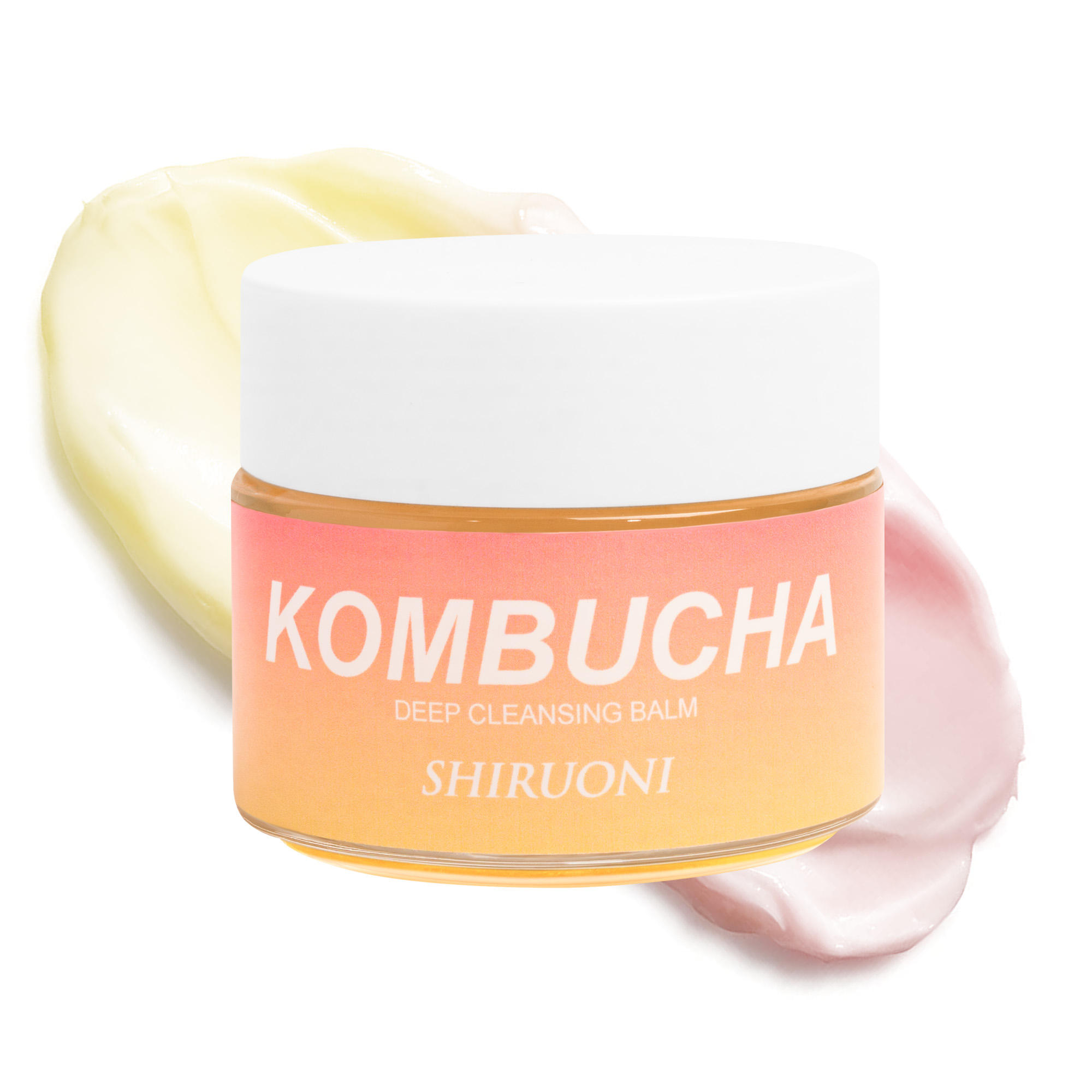
The energy profile of a cosmetic plant is dominated by emulsification heating, cleanroom air handling and purified water systems. Realistic measures include staggered production scheduling, heat recovery on emulsifiers and zoning the air systems by cleanliness class. None of these measures requires rebuilding the plant; they are scheduling and engineering refinements that compound over a year. Packaging offers faster wins: lighter cartons, fewer inserts and mono-material packs that recycle cleanly are visible to consumers and easy for brands to quote in their own sustainability reporting. Lighter structures can even be co-developed with the packaging suppliers during the sampling stage. Formulas can support the story too, as with plant-based formats such as the kombucha cleansing butter developed for bulk buyers.
Passing the Eco Audit
Auditors typically look at three layers: compliance documents such as discharge permits and waste contracts, the physical state of collection points and labelling, and the continuity of records for utilities and treatment. Plants rarely fail on hardware; they fail on record gaps, because a broken data series cannot prove the system runs day after day. A short pre-audit walk with the factory EHS contact usually surfaces record gaps long before the auditor does. Buyers can shorten the process by aligning document lists before the visit, in the way outlined on our about page.
In summary, regard green manufacturing as a management system rather than a one-off upgrade: measure wastewater, energy and waste continuously, keep the records unbroken, and let the data feed both compliance and marketing. Brands that ask for these numbers early also get priority access to capacity during peak season. Buyers who ask for these numbers early choose partners that age well, and the questions are easy to raise through our contact page.
Frequently asked questions
Can you produce Green Manufacturing in Cosmetic Products under our own brand?
Green Manufacturing in Cosmetic Products is handled as a private label project: you bring the brand and the market position, we cover formula, bulk, filling and packing. Existing bases can be adjusted for texture, fragrance and active level, or we develop from a new brief. Tooling and artwork belong to you, and our name does not appear on the pack.
What is the minimum order quantity?
MOQ is set by net fill per unit: under 15 ml/g 5,000 pcs; 15-50 ml/g 3,000 pcs; 50-200 ml/g 2,000 pcs; above 200 ml/g 1,000 pcs. Several SKUs in one project can share a production run to reach the threshold.
How long do samples and bulk production take?
Samples take 7-10 working days from a confirmed brief, or 10-15 days when a new mould or artwork is involved. Bulk runs 25-35 days after sample approval and packaging arrival. Repeat orders with an unchanged formula usually move faster.
Which certificates and documents come with the shipment?
The plant runs under GMPC and ISO 22716 with a 100,000-class cleanroom. Each shipment can include COA, MSDS, the full INCI list, stability data and microbiological reports. For the EU we support CPSR and PIF paperwork; for other markets we prepare the file set your importer asks for.
Can we change the formula, fragrance or packaging?
Yes. Texture, viscosity, fragrance, colour and active percentage are adjustable within regulatory limits. Packaging can be sourced by you or by us: tubes, airless bottles, jars, sachets and aluminium foil bags, with silkscreen, hot stamping or label application.
What information do you need to quote?
Category and target function, quantity per SKU, packaging direction, destination market and launch date. With that we reply within 24 hours on business days with feasibility, MOQ and a price range. An NDA can be signed before formulas are discussed.
Need this produced? Talk to the factory.
Wangsha Bio has run OEM/ODM production since 2006: 60,000 sqm plant, 17 lines, 100,000-class cleanroom, GMPC and ISO 22716 certified. Send your brief and we reply within 24 hours on business days with feasibility, MOQ and a price range.
Email lucky@moksha-bio.com | Product range | Workshop