Qingyuan moksha Biotechnology Co., Ltd


Squalane has moved from a niche emollient to a default choice in moisturisers, serums and hair oils, and most buyers now meet it in every quotation they receive. The name on the label is always the same, but what sits behind it varies in source, grade and paperwork. Squalane earns its shelf space through a simple pairing: reliable skin tolerance and an ingredient story consumers understand. This guide covers the two main botanical sources, the specification items that matter, and how the ingredient behaves once it is inside a formula.
Two Sources, One Molecule
Commercial squalane is overwhelmingly plant-derived today, and the two major botanical routes are sugarcane fermentation and olive oil refining. Both routes deliver the same hydrogenated molecule, so the difference on the skin is minimal. On a finished label both read as squalane; the real differences sit in the documentation and the supply chain.
Olive-derived squalane carries a long history in cosmetics and a well-established supplier base. Sugarcane-derived material is produced by fermentation and is often positioned as the more consistent large-scale route. Either way, the buyer should ask which source is used, because the answer shapes the vegan, traceability and origin wording the brand can print. Confirm the source in writing before artwork, because relabelling a claim after printing is far more expensive than asking early. Manufacturer capability is described in the workshop overview.
Grades, Purity and Odour
Suppliers grade squalane mainly on purity, colour, odour and oxidative indicators. For a fragrance-free or minimal-formula positioning, low-odour grades matter more than a slightly higher purity figure, because off-notes surface quickly in an unscented base. A stable specification repeated across batches beats an impressive single certificate.
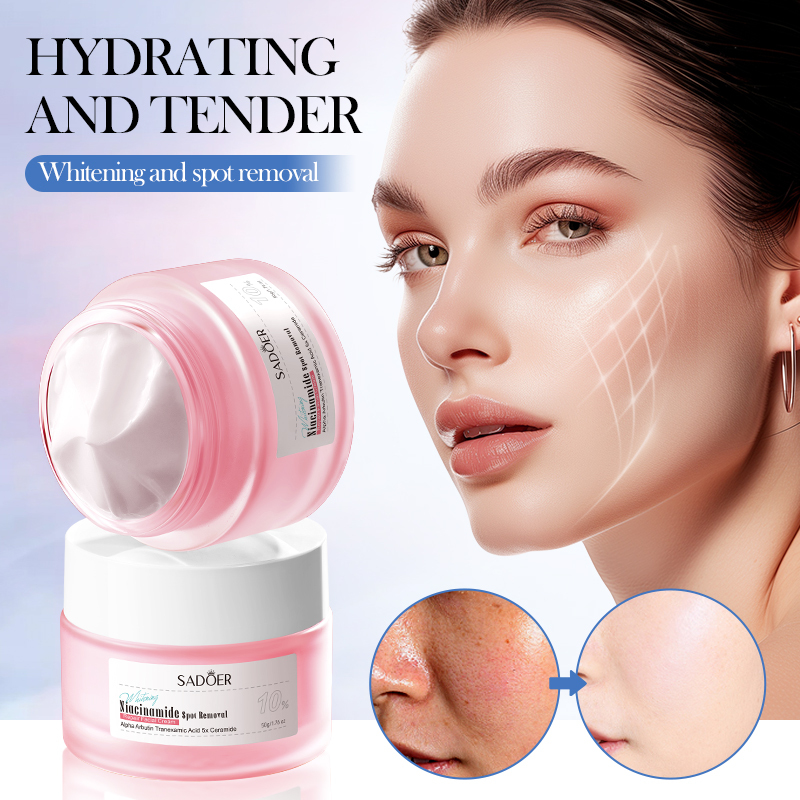
Oxidative stability is where squalane genuinely outperforms many botanical oils, which is why it tolerates transparent packaging better than most. Even so, peroxide value limits belong in the specification, not in a conversation. A related moisturiser direction is shown in this brightening cream reference.
Formulation Behaviour in Emulsions
In a cream, squalane works as an elegant spreading emollient: it improves slip, reduces drag and softens the perception of heavier waxes and butters. It does not control sebum, so for oily-skin products it belongs in restrained proportions. Squalane lightens texture without adding greasiness, which is why it suits day creams, serums and hair formats alike.
Compatibility is rarely a problem: squalane coexists with niacinamide, peptides, ceramides and common thickeners without measurable interference. The formulation effort usually goes into the oil-phase balance rather than into the squalane itself. A calming cream built on a light emollient base is shown in this redness-relief reference.
How much to use
Typical use levels in face products sit in the middle of the emollient phase, with hair oils using far higher proportions. Copying a percentage from a competitor label is pointless, because the same number feels different in each base. Judge the level by spread and after-feel on a panel, not by the figure on a quote.
Claims and Positioning
Squalane supports claims about sourcing, feel and tolerance, and wording should stay inside that space. Describing a physiological outcome crosses the line in most markets and invites regulatory attention. Claim the origin and the skin feel, not an effect the formula was never designed to deliver.
Vegan and plant-derived wording is generally well supported for both botanical sources, but the supporting documentation has to come from the supplier and be on file before launch. Documentation for every claim on the pack is the rule, and squalane is no exception. The wider range is listed in the product range.
Cost, Supply and Specification Items
Price varies with source, grade and volume, and long-term agreements usually stabilise it better than spot purchases. Squalane supply is comparatively stable within the emollient market, yet a second qualified grade is still sensible insurance for launch planning. Lock a grade and a supplier continuity clause, then regard squalane as a solved problem.
Five items belong in the written specification: declared botanical source, purity range, colour and odour grade, peroxide value limit, and the stability data supporting them. A one-page squalane specification prevents most of the disputes this ingredient otherwise generates. Manufacturer credentials are summarised on the about us page, and requirements can be submitted through the contact page.
Squalane rewards buyers who look past the name to the paperwork behind it. Fix the source, hold the spec, judge it in the base rather than on the quote, and it becomes one of the least troublesome emollients in a private label portfolio.
Frequently asked questions
Can you produce Squalane in Private Label Skincare under our own brand?
Squalane in Private Label Skincare is handled as a private label project: you bring the brand and the market position, we cover formula, bulk, filling and packing. Existing bases can be adjusted for texture, fragrance and active level, or we develop from a new brief. Tooling and artwork belong to you, and our name does not appear on the pack.
What is the minimum order quantity?
MOQ is set by net fill per unit: under 15 ml/g 5,000 pcs; 15-50 ml/g 3,000 pcs; 50-200 ml/g 2,000 pcs; above 200 ml/g 1,000 pcs. Several SKUs in one project can share a production run to reach the threshold.
How long do samples and bulk production take?
Samples take 7-10 working days from a confirmed brief, or 10-15 days when a new mould or artwork is involved. Bulk runs 25-35 days after sample approval and packaging arrival. Repeat orders with an unchanged formula usually move faster.
Which certificates and documents come with the shipment?
The plant runs under GMPC and ISO 22716 with a 100,000-class cleanroom. Each shipment can include COA, MSDS, the full INCI list, stability data and microbiological reports. For the EU we support CPSR and PIF paperwork; for other markets we prepare the file set your importer asks for.
Can we change the formula, fragrance or packaging?
Yes. Texture, viscosity, fragrance, colour and active percentage are adjustable within regulatory limits. Packaging can be sourced by you or by us: tubes, airless bottles, jars, sachets and aluminium foil bags, with silkscreen, hot stamping or label application.
What information do you need to quote?
Category and target function, quantity per SKU, packaging direction, destination market and launch date. With that we reply within 24 hours on business days with feasibility, MOQ and a price range. An NDA can be signed before formulas are discussed.
Need this produced? Talk to the factory.
Wangsha Bio has run OEM/ODM production since 2006: 60,000 sqm plant, 17 lines, 100,000-class cleanroom, GMPC and ISO 22716 certified. Send your brief and we reply within 24 hours on business days with feasibility, MOQ and a price range.
Email lucky@moksha-bio.com | Product range | Workshop