Qingyuan moksha Biotechnology Co., Ltd


Most private label ranges are skincare-first, and colour is added later as a traffic driver. That order explains why colour projects go wrong: the skills that make a good cream do not transfer to a lipstick, where the entire product is a physical system of waxes, oils and pigments judged within seconds of application. In colour cosmetics, the formula and the process are the same thing, and neither can be specified without the other. This guide covers wax systems, dispersion, filling and shade control.
Wax Systems: Hardness Against Comfort
A lipstick bullet has to survive a pocket and a summer delivery van, then melt convincingly on the lips. Those two requirements pull in opposite directions, and the wax blend is where the compromise is made. Waxes differ in hardness, gloss and melting behaviour, and the oil phase controls slip and comfort. Aim for a bullet that stands at shipping temperature and shears cleanly at lip temperature; anything beyond that is tuning.
Climate matters more in colour than in skincare. A single formula shipped to both cold and hot markets usually fails in one of them. Plan two melt-point versions for wide distribution, because a softened bullet generates more returns than a slightly firmer feel. Comparable formats are listed in the product range.
Pigment Dispersion: Where Shade Is Actually Made
The shade a consumer sees is decided by how well the pigment is dispersed, not by the pigment itself. Undispersed pigment shows as specks, streaks and uneven pay-off. The standard route is milling the pigment into a portion of the oil phase as a concentrated colour paste before combining with the wax phase. Paste fineness is the specification that decides whether the shade is consistent, so milling time and temperature belong in the batch record.
Shade matching between batches
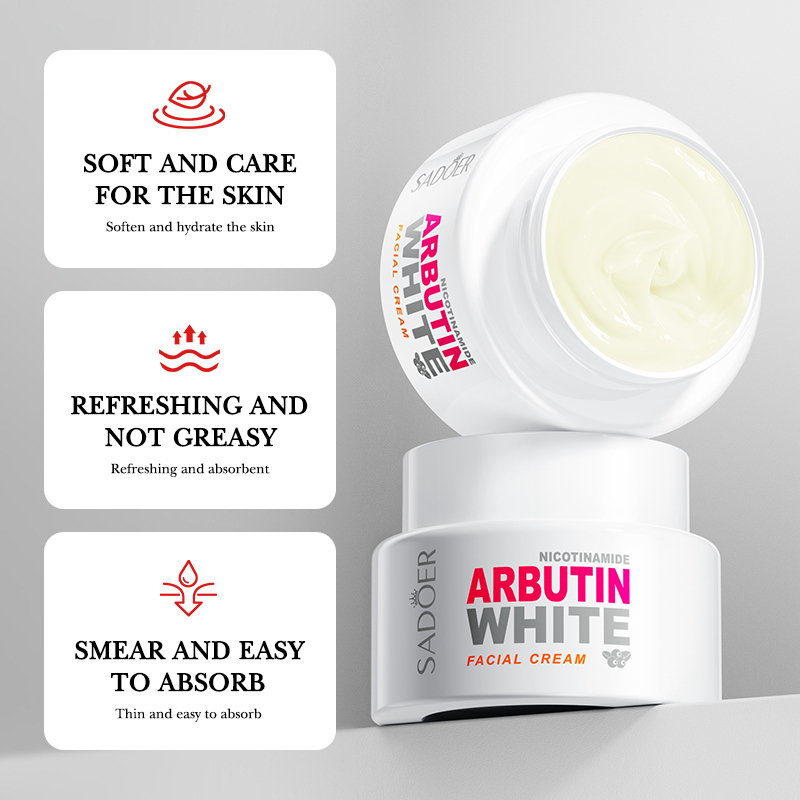
Shade consistency across production runs is the hardest promise in the category. Pigment lots vary, oil batches vary, and small temperature differences change the developed colour. The workable method is a physical standard: a retained reference bullet from the approved sample, with every batch compared side by side under standard light. A retained physical standard ends shade arguments; a number on a certificate does not. A tinted-format reference is shown in this brightening jar reference.
Filling Temperature and Mould Behaviour
Hot-pour filling runs inside a narrow window: too hot and the volatile fraction suffers with risk of sink marks, too cool and the bullet Short-fills or traps air. The window is established during sampling and then frozen into the work instruction. Treat the filling window as a controlled parameter with the same status as the formula itself. Mould material changes the cooling rate, so plastic components need longer hold times than metal tooling.
Line changeovers between shades deserve a written cleaning and clearance procedure, because pigment carry-over is unforgiving. Sequence production from light to deep shades, and the changeover cost falls on its own. Production conditions are described in the workshop overview.
Regulatory Limits for Lip Products
Lip products are swallowed in small amounts, so colourant lists, fragrance restrictions and impurity limits are stricter than for general cosmetics, and the lists differ by market. A shade legal in one region may be restricted in another. Clear every shade against every destination market before tooling, because reformulating after launch means reprinting everything. Manufacturer credentials appear on the about us page.
Claims and Range Structure
Colour claims should stay with appearance: payoff, comfort, wear time as a user experience. Long-wear and transfer-resist statements need in-house test data behind them, and tint products that react with skin pH need their colour-development story worded carefully. Claim wear time only from wipe-test data, or the returns desk will price the claim for you.
Structurally, colour works as a companion line to skincare rather than a replacement: two or three hero shades in a signature case, refreshed seasonally, with the skincare range carrying the permanent assortment. A tight shade list in premium packaging outsells a wide list in generic stock. Requirements can be submitted through the inquiry form, and category updates appear in the news section.
Colour cosmetics reward manufacturers who show their process, not just their price list. Visit the filling line, ask for the retained standards, and hold the shade against a physical sample: those three checks separate a colour partner from a colour reseller.
Frequently asked questions
Can you produce Colour Cosmetics under our own brand?
Colour Cosmetics is handled as a private label project: you bring the brand and the market position, we cover formula, bulk, filling and packing. Existing bases can be adjusted for texture, fragrance and active level, or we develop from a new brief. Tooling and artwork belong to you, and our name does not appear on the pack.
What is the minimum order quantity?
MOQ is set by net fill per unit: under 15 ml/g 5,000 pcs; 15-50 ml/g 3,000 pcs; 50-200 ml/g 2,000 pcs; above 200 ml/g 1,000 pcs. Several SKUs in one project can share a production run to reach the threshold.
How long do samples and bulk production take?
Samples take 7-10 working days from a confirmed brief, or 10-15 days when a new mould or artwork is involved. Bulk runs 25-35 days after sample approval and packaging arrival. Repeat orders with an unchanged formula usually move faster.
Which certificates and documents come with the shipment?
The plant runs under GMPC and ISO 22716 with a 100,000-class cleanroom. Each shipment can include COA, MSDS, the full INCI list, stability data and microbiological reports. For the EU we support CPSR and PIF paperwork; for other markets we prepare the file set your importer asks for.
Can we change the formula, fragrance or packaging?
Yes. Texture, viscosity, fragrance, colour and active percentage are adjustable within regulatory limits. Packaging can be sourced by you or by us: tubes, airless bottles, jars, sachets and aluminium foil bags, with silkscreen, hot stamping or label application.
What information do you need to quote?
Category and target function, quantity per SKU, packaging direction, destination market and launch date. With that we reply within 24 hours on business days with feasibility, MOQ and a price range. An NDA can be signed before formulas are discussed.
Need this produced? Talk to the factory.
Wangsha Bio has run OEM/ODM production since 2006: 60,000 sqm plant, 17 lines, 100,000-class cleanroom, GMPC and ISO 22716 certified. Send your brief and we reply within 24 hours on business days with feasibility, MOQ and a price range.
Email lucky@moksha-bio.com | Product range | Workshop