Qingyuan moksha Biotechnology Co., Ltd


Lip care looks like a simple add-on category and behaves like a compact version of everything that makes formulation difficult. The skin on the lips is thin, it is constantly exposed, and the product sits within reach of the mouth, which raises both the tolerance requirement and the sensory bar. A lip product is judged in the first five seconds, so texture and glide carry more commercial weight than the ingredient list. This guide covers the three formats brand owners usually start with and the specification items that decide whether they ship on time.
The Three Formats and What Separates Them
A balm is an anhydrous stick or pot, built from waxes, butters and oils with no water phase. A mask is a leave-on product, usually thicker and used less frequently. A scrub combines an exfoliating particle with a waxy or creamy carrier and is rinsed or wiped away. Because the balm has no water, its microbiological questions largely disappear, which is why it is the cheapest format to launch.
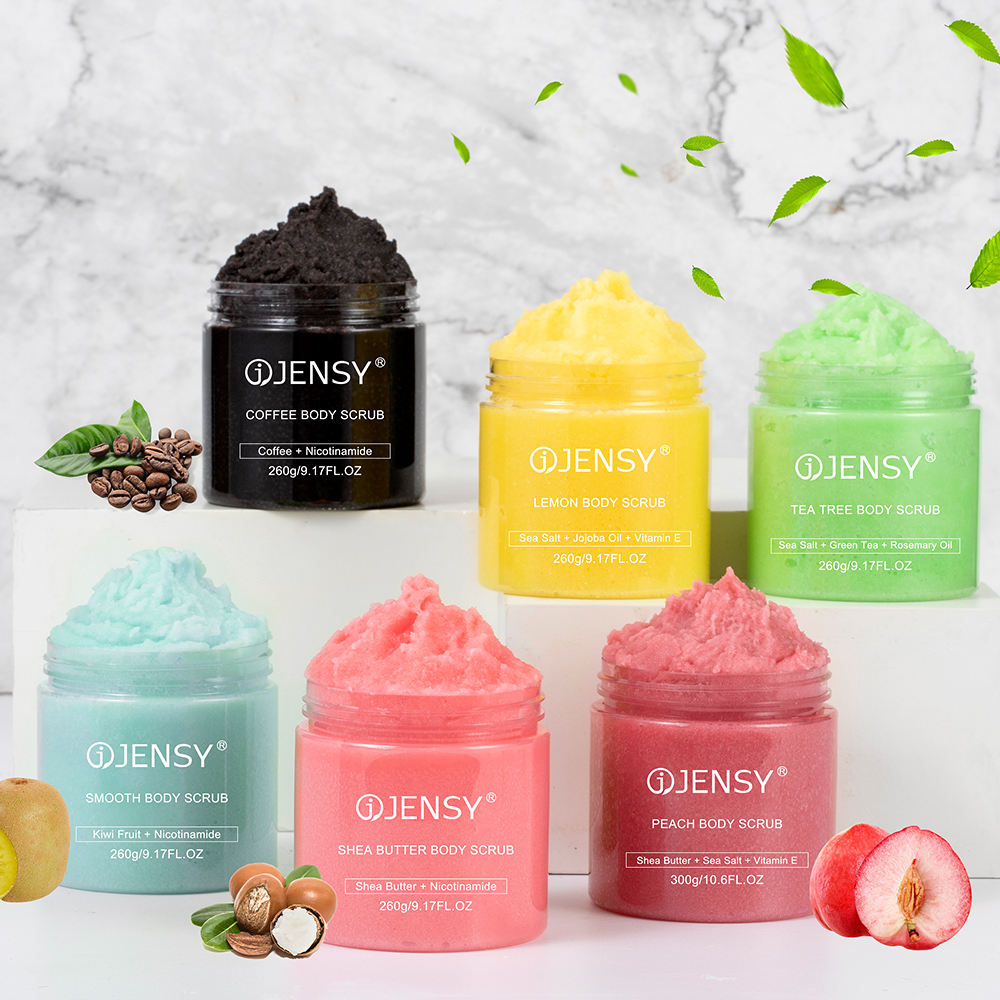
The trade-off is texture. An anhydrous balm has to stay firm enough not to slump in a warm warehouse and soft enough to glide on contact, and those two requirements pull in opposite directions. Wax selection does most of the work, and the choice is best made against the target market's ambient temperature rather than the laboratory's. Reference formats sit alongside the rest of the range in the product range, and a scrub direction is shown in this sugar shea butter reference.
Wax and Butter Systems in a Stick
The wax blend sets the melting point, the hardness and the pay-off. A single wax rarely delivers all three, so most commercial balms use a blend: one component for structure, one for flexibility, and one to control the surface feel. Melting point is a shipping specification as much as a sensory one, and it has to be validated in the pack rather than in a beaker.
Butters bring the emollience and the glide. Shea and cocoa butters are common, and each carries a characteristic odour that has to be accounted for in the fragrance brief. Raw butter odour varies by origin and season, so the fragrance load may need adjustment batch by batch rather than being fixed once.
Fill accuracy and stick mechanics
Stick formats fail more often in filling than in formulation. The molten product has to fill the barrel without creating a shrink void at the top, and the twist mechanism has to deliver the product without scraping. A stick that rattles or scrapes becomes a return, regardless of how good the formula is.
Masks and Leave-On Formats
Lip masks are usually aqueous or emulsion-based gels applied thickly and left in place. That reintroduces water, which brings preservation back into scope, and it also raises the compatibility question with the film formers that create the occlusive layer. Once water is present, challenge testing on the finished pack becomes a requirement rather than an option.
The sensory target is a film that feels comfortable for the intended wear time and does not transfer onto bedding. Film formers and humectant levels control this, and the balance is best tuned against a panel using a fixed wear time. Ask for the transfer result at the stated wear time, because an untested overnight claim is the most frequently withdrawn claim in this category.
Scrubs and Exfoliating Formats
Sugar and salt are the usual abrasives, and both dissolve during use, which gives a progressively softer action. Particle size distribution matters more than the material name, because the coarsest particles dominate the sensation. Specify a size range rather than an average, since the user feels the top of the distribution.
The carrier has to suspend the particles and still deliver them without dissolving prematurely. A common failure is a base that is too fluid, so the abrasive sinks and the bottom of the jar becomes unusable. Suspension stability should be verified across the full shelf life rather than only after production. Cleanroom and filling conditions are described in the workshop overview.
Safety Documentation and Claims
Because the product is applied near the mouth, inadvertent ingestion is part of the safety assessment, and some colourants and flavour materials that are acceptable elsewhere may not be acceptable here. Confirm the permitted material list for every target market before the flavour and colour brief is placed.
Claims should stay with appearance and user experience. Wording that implies a repair of damaged tissue belongs to a different regulatory category and should be removed during drafting. Write the claim set while the formula is still open so the supporting work is scheduled with the project. Manufacturer documentation is summarised on the about us page, and specifications can be submitted through the contact page.
Lip care is a low-barrier category with an unusually short judgement window. Get the wax blend right for the shipping climate, prove the fill quality in the stick, and keep the claims inside the documentation: that is what turns a small-format product into a repeat purchase.
Frequently asked questions
Can you produce Lip Care OEM: Balm, Mask and Scrub Formats under our own brand?
Lip Care OEM: Balm, Mask and Scrub Formats is handled as a private label project: you bring the brand and the market position, we cover formula, bulk, filling and packing. Existing bases can be adjusted for texture, fragrance and active level, or we develop from a new brief. Tooling and artwork belong to you, and our name does not appear on the pack.
What is the minimum order quantity?
MOQ is set by net fill per unit, not by category:
| Net fill | MOQ |
|---|---|
| < 15 ml/g | 5,000 pcs |
| 15-50 ml/g (50 included) | 3,000 pcs |
| 50-200 ml/g (200 included) | 2,000 pcs |
| > 200 ml/g | 1,000 pcs |
Several SKUs in one project can share a production run to reach the threshold, and a smaller trial order is possible once the formula is approved.
How long do samples and bulk production take?
Samples take 7-10 working days from a confirmed brief, or 10-15 days when a new mould or artwork is involved. Bulk runs 25-35 days after sample approval and packaging arrival. Repeat orders with an unchanged formula usually move faster.
Which certificates and documents come with the shipment?
The plant runs under GMPC and ISO 22716 with a 100,000-class cleanroom. Each shipment can include COA, MSDS, the full INCI list, stability data and microbiological reports. For the EU we support CPSR and PIF paperwork; for other markets we prepare the file set your importer asks for.
Can we change the formula, fragrance or packaging?
Yes. Texture, viscosity, fragrance, colour and active percentage are adjustable within regulatory limits. Packaging can be sourced by you or by us: tubes, airless bottles, jars, sachets and aluminium foil bags, with silkscreen, hot stamping or label application.
What information do you need to quote?
Category and target function, quantity per SKU, packaging direction, destination market and launch date. With that we reply within 24 hours on business days with feasibility, MOQ and a price range. An NDA can be signed before formulas are discussed.
Need this produced? Talk to the factory.
Wangsha Bio has run OEM/ODM production since 2006: 60,000 sqm plant, 17 lines, 100,000-class cleanroom, GMPC and ISO 22716 certified. Send your brief and we reply within 24 hours on business days with feasibility, MOQ and a price range.
Email lucky@moksha-bio.com | Product range | Workshop