Qingyuan moksha Biotechnology Co., Ltd


Refill formats have moved from a niche sustainability statement to a commercially serious option in high-frequency categories. A durable outer pack plus a lighter refill reduces packaging mass per use and gives the brand a cheaper repeat purchase to offer. Refill is not a thinner bottle; it is a redesign of the pack, the fill line and the user routine at the same time. This guide covers the formats, the engineering constraints and the claims that can be defended.
Three Refill Architectures
The simplest is a flexible pouch of bulk product that the user pours into the original bottle. Next is a cartridge or pod that replaces the inner vessel while the outer shell and pump are reused. The third is a concentrate that the user dilutes at home. The three architectures have completely different formulation requirements, and choosing the wrong one loses the customer at the refill moment.
Pouches are the cheapest to produce and the most mature in the supply chain, but pouring is messy and residue at the spout affects the perceived value. Cartridges give a better experience and cost more because the outer pack and inner vessel must be tooled as a system. Concentrates use the least packaging but require a formula that stays stable after in-home dilution. The deciding question is whether the customer will accept one extra step in exchange for a lower price. Existing formats are listed in the product range.
Tolerance and Reuse Life
Because the outer pack is reused, the fit between the shell and the cartridge has to survive repeated assembly. Plastic parts wear slightly with each cycle, so a tolerance that feels correct on the first assembly can jam by the tenth. Set the tolerance against the intended number of refill cycles, not against the first assembly.
The pump is the second wear point. Most refill systems reuse the original pump, so any difference between cartridge neck dimensions produces either air ingress or leakage. Define the neck, the cartridge and the pump as a single interface with one drawing rather than three separate tooling projects. Filling conditions for these formats are described in the workshop overview.
Residual product and perceived value
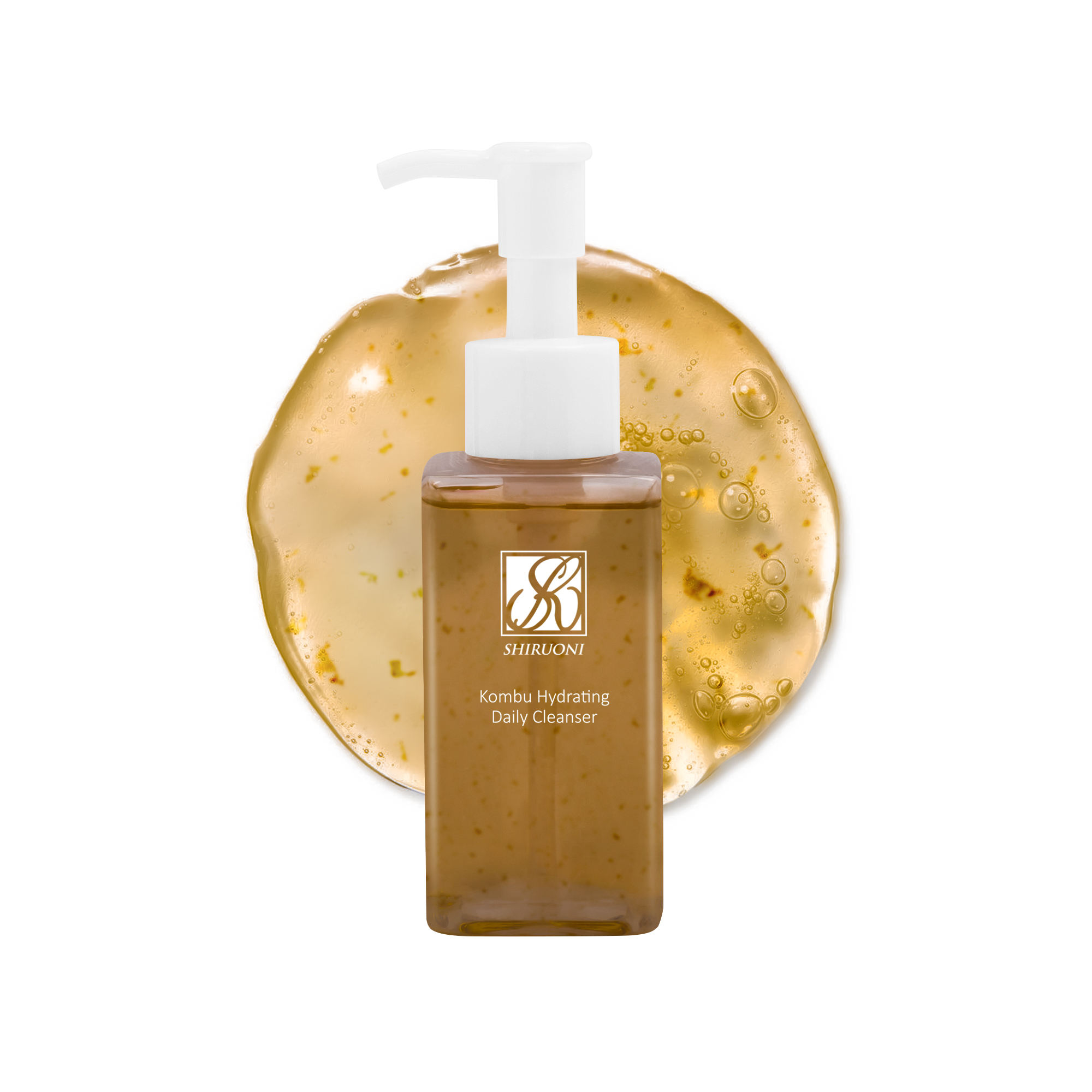
A viscous product left in the cartridge is product the customer paid for and cannot reach. Residual volume is measurable and should be written into the specification, because a refill that runs short feels worse than a bottle that simply finishes. A related wash-off format is shown in this gentle cleansing reference.
Material Choice and Recycling Reality
Recyclability depends on whether the material is mono-material and whether the destination market actually collects it. Multi-layer laminates give better barrier performance and are difficult to separate; mono-material pouches recycle more easily and lose some barrier, which the formula and the fill conditions then have to compensate for. Confirm the collection reality in the target market before committing to a material, or the environmental claim will not be defensible.
Outer pack durability matters just as much. A shell that scuffs or discolours after a few cycles cancels the benefit of refilling. Surface treatment, wall thickness and drop performance should be validated against the intended reuse count. The service life of the outer pack is the real determinant of whether refill builds loyalty.
Filling, Logistics and Cost
Pouch and cartridge filling lines are not interchangeable with conventional bottle lines, so capacity planning has to be redone. Pouch sealing is sensitive to temperature and pressure, and a weak seal becomes a leak in transit. Cartridge filling demands tighter positional accuracy. Commissioning a refill line takes longer than a standard bottle line, and the schedule should reflect that.
Logistics follows the same logic. Pouches take more volume per unit of product and are more vulnerable to compression, so the shipper and the insert need fresh drop and stack testing. Booking the logistics validation into the first production run prevents a last-minute redesign before launch.
Communicating the Format
Refill only creates value if the customer understands it. The pack has to state the compatible outer packs, whether the refill is interchangeable across the range, and what to do the first time. Ambiguity drives customers back to the original format. The instruction panel is part of the product, not an afterthought.
Environmental wording should be limited to what the data supports, such as a measured reduction in packaging mass per use. Sustainability copy has to rest on a verifiable figure rather than on adjectives. Requirements can be submitted through the inquiry form, and a sampling plan can be scoped through the contact page.
Refill demands cooperation across packaging, formulation and supply chain, and the upfront cost is real. In exchange it builds a repeat relationship that a single-use bottle cannot. Choose the architecture honestly, engineer the tolerance and the residual volume properly, and the refill becomes a stable line rather than a marketing gesture.
Frequently asked questions
Can you produce Refill and Refillable Packaging in Private Label Skincare under our own brand?
Refill and Refillable Packaging in Private Label Skincare is handled as a private label project: you bring the brand and the market position, we cover formula, bulk, filling and packing. Existing bases can be adjusted for texture, fragrance and active level, or we develop from a new brief. Tooling and artwork belong to you, and our name does not appear on the pack.
What is the minimum order quantity?
MOQ is set by net fill per unit, not by category:
| Net fill | MOQ |
|---|---|
| < 15 ml/g | 5,000 pcs |
| 15-50 ml/g (50 included) | 3,000 pcs |
| 50-200 ml/g (200 included) | 2,000 pcs |
| > 200 ml/g | 1,000 pcs |
Several SKUs in one project can share a production run to reach the threshold, and a smaller trial order is possible once the formula is approved.
How long do samples and bulk production take?
Samples take 7-10 working days from a confirmed brief, or 10-15 days when a new mould or artwork is involved. Bulk runs 25-35 days after sample approval and packaging arrival. Repeat orders with an unchanged formula usually move faster.
Which certificates and documents come with the shipment?
The plant runs under GMPC and ISO 22716 with a 100,000-class cleanroom. Each shipment can include COA, MSDS, the full INCI list, stability data and microbiological reports. For the EU we support CPSR and PIF paperwork; for other markets we prepare the file set your importer asks for.
Can we change the formula, fragrance or packaging?
Yes. Texture, viscosity, fragrance, colour and active percentage are adjustable within regulatory limits. Packaging can be sourced by you or by us: tubes, airless bottles, jars, sachets and aluminium foil bags, with silkscreen, hot stamping or label application.
What information do you need to quote?
Category and target function, quantity per SKU, packaging direction, destination market and launch date. With that we reply within 24 hours on business days with feasibility, MOQ and a price range. An NDA can be signed before formulas are discussed.
Need this produced? Talk to the factory.
Wangsha Bio has run OEM/ODM production since 2006: 60,000 sqm plant, 17 lines, 100,000-class cleanroom, GMPC and ISO 22716 certified. Send your brief and we reply within 24 hours on business days with feasibility, MOQ and a price range.
Email lucky@moksha-bio.com | Product range | Workshop