Qingyuan moksha Biotechnology Co., Ltd


Hand care is the quiet category in most skincare portfolios: steady demand, low marketing intensity, and a customer who notices immediately when a product feels wrong. A hand cream is applied many times a day, washed off repeatedly, and judged on whether it leaves a film the user is happy to touch anything with. In hand care the film feel decides repeat purchase more than any ingredient claim does. This guide covers the development decisions that matter.
Why Hand Care Behaves Differently
Hand skin is thicker on the palm and thinner on the back of the hand, is washed far more often than the face, and is exposed to detergents, water and temperature change throughout the day. Frequent washing strips lipids faster than facial cleansing does, and reapplication is the only realistic response. A hand cream is judged on how it behaves at the twentieth application of the day, not the first.
That pattern changes the brief. A rich cream that feels excellent once becomes unpleasant after repeated use, while a very light lotion that disappears instantly leaves the user reaching for the tube again within the hour. The sweet spot is a product that can be reapplied without building up a film. Reference formats are listed in the product range.
Moisture Levels and Oil Phase Design
Hand creams divide into light, standard and rich tiers, distinguished mainly by oil phase proportion and occlusive content. Light products are water-dominant with volatile emollients and suit warm climates and daytime use; standard products balance spread and lasting hydration and carry most of the volume; rich products use a higher oil content for overnight or cold-climate use. Settle the tier before discussing raw materials, or the formula will end up satisfying nobody.
The oil phase also governs how the product behaves after hand washing. Highly occlusive films resist rinsing but feel heavier; lighter emollients rinse away and need reapplying sooner. Wash resistance and film weight trade against each other, so the target has to be set deliberately.
Film Feel and the Absorption Question
Consumers describe the failure mode consistently: the product stays on the surface, transfers to a phone screen, and makes the hands feel slick. The practical target is not instant absorption but a predictable fade, where the hands feel conditioned within a minute or two and dry to the touch shortly afterwards. The measurement that matters is fade time, not absorption speed.
Comparing variants properly
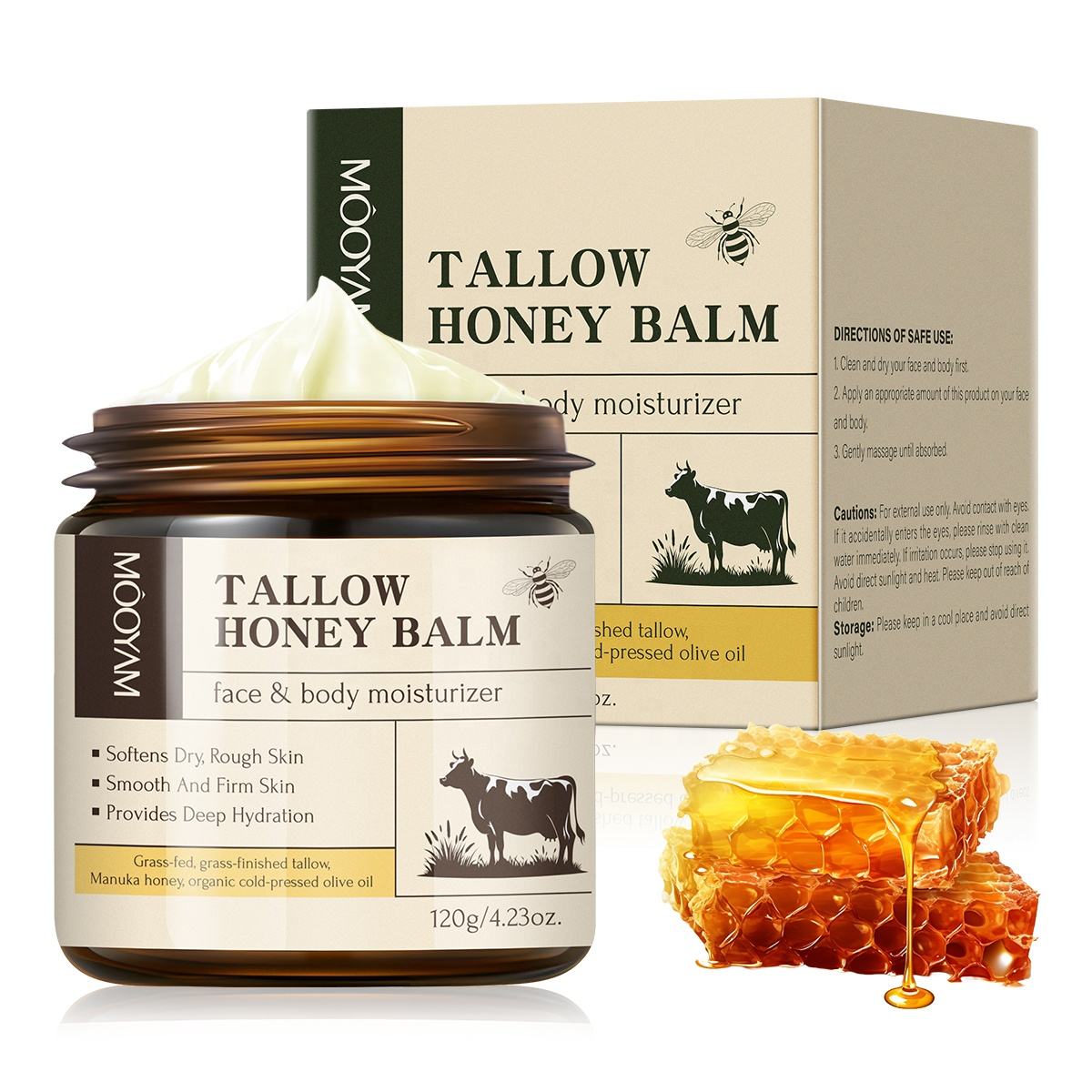
A useful comparison fixes the dose, applies three or four variants to the same panel on the same day, and scores residue at set intervals such as one, three and ten minutes. Fixing the measurement interval turns a subjective argument into a comparable result. A richer conditioning format used alongside hand cream is shown in this moisturising balm reference.
Preservation and Stability
Hand cream is applied to skin that has just been washed and often to skin with small abrasions, so tolerance matters more than in most leave-on products. Preservation choices should be assessed with that in mind. The preservative decision constrains the pH range and the pack format at the same time, so it belongs early in development.
Stability work should run across three temperature conditions, plus a freeze-thaw cycle if the product ships internationally, and should record viscosity as well as appearance because thickened emulsions drift slowly. Viscosity drift is easy to miss and obvious to the consumer at the end of the tube. Manufacturing conditions are described in the workshop overview.
Packaging and Range Structure
Hand care is sold in tubes, small pumps and tins. A tube suits a rich formulation and gives precise dosing; a pump suits frequent use at a desk or a sink; a tin suits a firm balm. Pack choice should follow the use occasion rather than the shelf aesthetic.
Range structure usually combines a small format for bag and desk use with a larger format for home, sharing one accord family to build recognition. A shared fragrance family across formats is what turns separate items into a line. Manufacturer credentials appear on the about us page, and briefs can be submitted through the contact page.
Hand care rewards precision rather than novelty. Set the tier, tune the film to a measured fade time, protect the formula properly and match the pack to the occasion: that combination keeps a hand cream in use until the tube is empty.
Frequently asked questions
Can you produce Hand Cream and Hand Care OEM under our own brand?
Hand Cream and Hand Care OEM is handled as a private label project: you bring the brand and the market position, we cover formula, bulk, filling and packing. Existing bases can be adjusted for texture, fragrance and active level, or we develop from a new brief. Tooling and artwork belong to you, and our name does not appear on the pack.
What is the minimum order quantity?
MOQ is set by net fill per unit, not by category:
| Net fill | MOQ |
|---|---|
| < 15 ml/g | 5,000 pcs |
| 15-50 ml/g (50 included) | 3,000 pcs |
| 50-200 ml/g (200 included) | 2,000 pcs |
| > 200 ml/g | 1,000 pcs |
Several SKUs in one project can share a production run to reach the threshold, and a smaller trial order is possible once the formula is approved.
How long do samples and bulk production take?
Samples take 7-10 working days from a confirmed brief, or 10-15 days when a new mould or artwork is involved. Bulk runs 25-35 days after sample approval and packaging arrival. Repeat orders with an unchanged formula usually move faster.
Which certificates and documents come with the shipment?
The plant runs under GMPC and ISO 22716 with a 100,000-class cleanroom. Each shipment can include COA, MSDS, the full INCI list, stability data and microbiological reports. For the EU we support CPSR and PIF paperwork; for other markets we prepare the file set your importer asks for.
Can we change the formula, fragrance or packaging?
Yes. Texture, viscosity, fragrance, colour and active percentage are adjustable within regulatory limits. Packaging can be sourced by you or by us: tubes, airless bottles, jars, sachets and aluminium foil bags, with silkscreen, hot stamping or label application.
What information do you need to quote?
Category and target function, quantity per SKU, packaging direction, destination market and launch date. With that we reply within 24 hours on business days with feasibility, MOQ and a price range. An NDA can be signed before formulas are discussed.
Need this produced? Talk to the factory.
Wangsha Bio has run OEM/ODM production since 2006: 60,000 sqm plant, 17 lines, 100,000-class cleanroom, GMPC and ISO 22716 certified. Send your brief and we reply within 24 hours on business days with feasibility, MOQ and a price range.
Email lucky@moksha-bio.com | Product range | Workshop