Qingyuan moksha Biotechnology Co., Ltd


The formula is approved, the sample is signed off, and everyone relaxes. Then the shipment is three weeks late, the cartons arrive with a print defect nobody discussed, and the final payment is held while both sides argue about whether the goods were accepted. These disputes are rarely caused by bad faith. They come from undefined start points, vague acceptance criteria and payment terms that are tied to dates rather than to verifiable events.
What actually starts the clock
A purchase order that says thirty days does not say thirty days from when. From order date, from deposit receipt, from artwork approval, from packaging arrival, from counter-sample sign-off: the answers can differ by more than a month.
The workable structure is to name each start condition and make it verifiable in writing. Order effective on deposit. Production slot booked on receipt of deposit and approved artwork. Bulk manufacturing released on signed counter-sample. Filling released on packaging arrival and incoming inspection pass.
Tie lead time to conditions, not to a single date. If the brand's own approval loop takes two weeks, that time belongs in the brand's plan, not in the supplier's penalty clause.
Scheduling by process step
Cosmetic production moves through raw material testing, compounding, bulk testing, filling, packing and release. Compounding may take a day; stability review takes weeks; filling depends on line availability; packing depends on labour and component arrival.
Ask for a schedule broken down by step, with owners and dates, rather than one delivery date. The bottleneck becomes visible: a missing component, a full filling line, or a testing queue.
The filling line is the tightest constraint in peak season. Orders placed eight to ten weeks before a major retail window generally have more room to recover from a delay than orders placed four weeks out.
Inspection standards and AQL
Most factories inspect against an acceptance sampling standard, sorting defects into critical, major and minor, each with an acceptable quality level. Critical defects cover safety and regulatory issues: microbial failure, prohibited ingredients, missing mandatory label information. Major defects affect function or saleability: leakage, pump failure, wrong print. Minor defects affect appearance only.
Those categories need to be written into the contract annex, with sampling plans, decision rules and a re-inspection path. Saying that goods will be inspected to a national standard is not enough, because the standard does not define your brand's tolerance for a colour shift.
The brand should define its own critical defect list, including which issues justify rejecting a whole lot and which can be sorted. Inspection timing matters as much: a check the day before shipment leaves no room to correct anything.
Payment milestones and release conditions
Deposit plus balance is the common structure, with the split set by order size and relationship. The balance is best tied to an event rather than a calendar date: signed inspection report, complete shipping documents, confirmed booking, or receipt of the pre-shipment sample.
Release conditions should be explicit as well: certificate of analysis, microbial results, retention sample record, batch traceability and any market-specific compliance file. Releasing without them makes a later problem very hard to trace.
Link the final payment to release evidence. Long-term suppliers can be offered credit terms, but the milestones should still be defined, so both sides share the same understanding of completion.
Deviations, chargebacks and the paper trail
Delays, short shipments and transit damage happen. How quickly they are resolved depends on three things: a written change record, retained samples with batch traceability, and an agreed remedy.
Contract terms should cover the non-force-majeure cases: responsibility when packaging arrives late, the tolerance for over or under shipment, the claim window for transit damage, and how rework or sorting is priced. Vague goodwill is expensive for both parties.
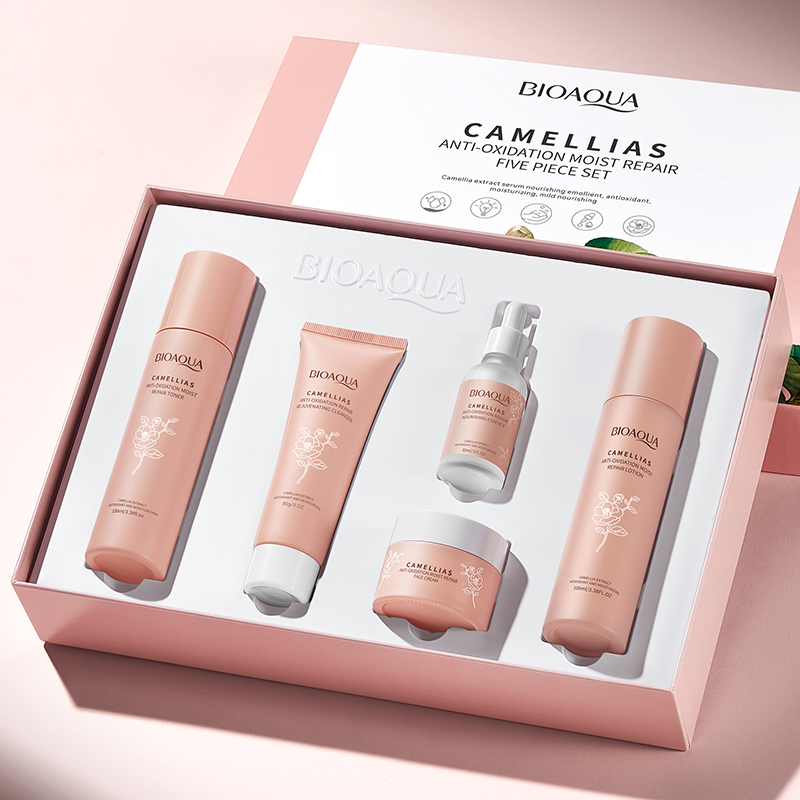
Upstream clarity reduces downstream friction. A precise brief, an approved counter-sample and a final artwork file prevent most rework. Our company profile outlines the quality systems behind our lines, the product range shows current formats, and commercial terms can be discussed through the contact page or the inquiry form. A gift set example is listed here.
Good delivery management turns verbal promises into verifiable checkpoints. Once that is done, most disputes disappear before they start.
Frequently asked questions
Can you produce OEM Delivery and Inspection Management under our own brand?
OEM Delivery and Inspection Management is handled as a private label project: you bring the brand and the market position, we cover formula, bulk, filling and packing. Existing bases can be adjusted for texture, fragrance and active level, or we develop from a new brief. Tooling and artwork belong to you, and our name does not appear on the pack.
What is the minimum order quantity?
MOQ is set by net fill per unit, not by category:
| Net fill | MOQ |
|---|---|
| < 15 ml/g | 5,000 pcs |
| 15-50 ml/g (50 included) | 3,000 pcs |
| 50-200 ml/g (200 included) | 2,000 pcs |
| > 200 ml/g | 1,000 pcs |
Several SKUs in one project can share a production run to reach the threshold, and a smaller trial order is possible once the formula is approved.
How long do samples and bulk production take?
Samples take 7-10 working days from a confirmed brief, or 10-15 days when a new mould or artwork is involved. Bulk runs 25-35 days after sample approval and packaging arrival. Repeat orders with an unchanged formula usually move faster.
Which certificates and documents come with the shipment?
The plant runs under GMPC and ISO 22716 with a 100,000-class cleanroom. Each shipment can include COA, MSDS, the full INCI list, stability data and microbiological reports. For the EU we support CPSR and PIF paperwork; for other markets we prepare the file set your importer asks for.
Can we change the formula, fragrance or packaging?
Yes. Texture, viscosity, fragrance, colour and active percentage are adjustable within regulatory limits. Packaging can be sourced by you or by us: tubes, airless bottles, jars, sachets and aluminium foil bags, with silkscreen, hot stamping or label application.
What information do you need to quote?
Category and target function, quantity per SKU, packaging direction, destination market and launch date. With that we reply within 24 hours on business days with feasibility, MOQ and a price range. An NDA can be signed before formulas are discussed.
Need this produced? Talk to the factory.
Wangsha Bio has run OEM/ODM production since 2006: 60,000 sqm plant, 17 lines, 100,000-class cleanroom, GMPC and ISO 22716 certified. Send your brief and we reply within 24 hours on business days with feasibility, MOQ and a price range.
Email lucky@moksha-bio.com | Product range | Workshop