Qingyuan moksha Biotechnology Co., Ltd


Essential oil products have moved from spa shelves into mainstream e-commerce: single-note oils, roller blends, massage oils and botanical shampoos all hold loyal audiences. The category looks simple and behaves differently: volatile molecules, oxidation-prone carriers and a claims vocabulary borrowed from aromatherapy create a specific set of formulation and compliance questions. The development difficulty of essential oil products sits in the triangle of low dose, high activity and easy volatility. This guide covers formats, dilution structure, oxidation control and claim boundaries.
Product Formats and Where Each One Struggles
The category splits into four practical formats: neat or blended oils in small-volume packs, carrier-based massage and body oils, wash-off products that use essential oils as both benefit and fragrance, and roller-ball targeted products. Each format fails in its own way. Neat oils live or die on pack barrier performance; massage oils on oxidation control; wash-off products on solubilisation; rollers on compatibility between the oil and the metal or plastic ball. The format decision answers the pack, viscosity and volatility questions before formulation starts.
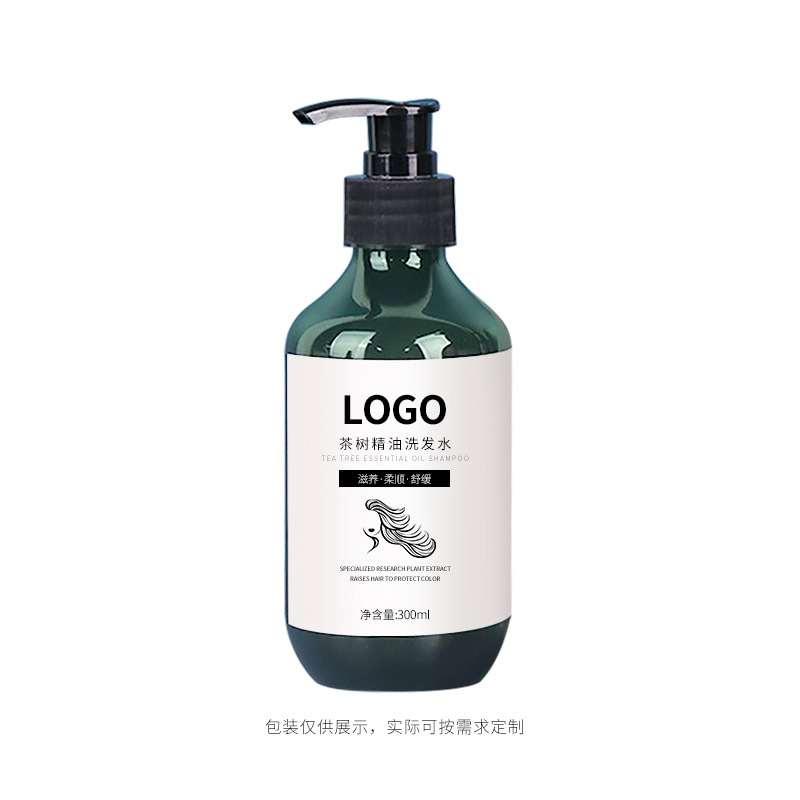
In a shampoo, the essential oil is both the selling point and a solubility problem, because most oils have limited tolerance in a surfactant system and need a solubiliser added first. Resolve solubility before discussing fragrance performance, or the accord will change once the base is diluted. A tea tree botanical shampoo direction is shown in this herbal shampoo reference.
Carrier Oils and Dilution Structure
Any leave-on skin contact requires dilution, and the ratio depends on positioning and on the irritation profile of each oil. Facial oils sit at the cautious end, body massage oils run higher, and products aimed at sensitive users drop again. Set the dilution ratio together with the target user and contact duration, because safety here is a dose question.
Carrier choice shapes the finished feel as much as the oil choice does. Jojoba is stable with a waxy finish, sweet almond feels light but oxidises sooner, olive reads rich and spreads slowly. Pick carriers on feel and oxidation resistance together, not on name recognition.
Oxidation Control from Fill Day Onward
Unsaturated components in both essential and carrier oils react with oxygen, light and heat, and the early signs are a harsher odour and a darker colour. Antioxidants slow the process, process control lowers the starting load, and packaging does the rest. Oxidation starts on fill day, so stability testing has to run the full shelf life in the final pack.
Pack details matter in this category more than most: amber glass is the default, droppers and roller heads need sealing checks, and any metal in contact with high-load oils needs a compatibility confirmation. The pack is part of the preservation system for an oil product, not an accessory. Filling and storage conditions are described in the workshop overview.
Reading an oil quality file
Reliable suppliers provide gas chromatography profiles, batch details and storage guidance. A profile also gives the formulator a reference for detecting later drift, because comparing a stored sample against the original chromatogram is far more sensitive than smelling the bottle.
Fragrance Feel and Claim Boundaries
Essential oil accords evolve noticeably over the first minutes after application as the volatile top fraction evaporates, so sensory evaluation should record the impression at fixed intervals rather than from the bottle alone. Judge an oil product on its evaporation curve, and the sensory story becomes repeatable.
Claims are the compliance trap of this category. Wording borrowed from aromatherapy often implies effects on mood or sleep that sit outside what a cosmetic claim can carry. Skin products should stay within cleansing, moisturising and scent experience. Keep the claim at the level of scent and skin feel, and the listing survives platform review. Export adds allergen declaration duties for several fragrance components, which belongs in the documentation scope agreed early with the supplier. Manufacturer credentials appear on the about us page.
The real barriers in essential oil products are consistency, oxidation and claims discipline, not the formula itself. Write those three into the specification and acceptance criteria, and the product holds its quality to the end of the shelf. Send your concept through the contact page to scope a sampling plan.
Frequently asked questions
Can you produce Essential Oils and Botanical Oils in Private Label under our own brand?
Essential Oils and Botanical Oils in Private Label is handled as a private label project: you bring the brand and the market position, we cover formula, bulk, filling and packing. Existing bases can be adjusted for texture, fragrance and active level, or we develop from a new brief. Tooling and artwork belong to you, and our name does not appear on the pack.
What is the minimum order quantity?
MOQ is set by net fill per unit: under 15 ml/g 5,000 pcs; 15-50 ml/g 3,000 pcs; 50-200 ml/g 2,000 pcs; above 200 ml/g 1,000 pcs. Several SKUs in one project can share a production run to reach the threshold.
How long do samples and bulk production take?
Samples take 7-10 working days from a confirmed brief, or 10-15 days when a new mould or artwork is involved. Bulk runs 25-35 days after sample approval and packaging arrival. Repeat orders with an unchanged formula usually move faster.
Which certificates and documents come with the shipment?
The plant runs under GMPC and ISO 22716 with a 100,000-class cleanroom. Each shipment can include COA, MSDS, the full INCI list, stability data and microbiological reports. For the EU we support CPSR and PIF paperwork; for other markets we prepare the file set your importer asks for.
Can we change the formula, fragrance or packaging?
Yes. Texture, viscosity, fragrance, colour and active percentage are adjustable within regulatory limits. Packaging can be sourced by you or by us: tubes, airless bottles, jars, sachets and aluminium foil bags, with silkscreen, hot stamping or label application.
What information do you need to quote?
Category and target function, quantity per SKU, packaging direction, destination market and launch date. With that we reply within 24 hours on business days with feasibility, MOQ and a price range. An NDA can be signed before formulas are discussed.
Need this produced? Talk to the factory.
Wangsha Bio has run OEM/ODM production since 2006: 60,000 sqm plant, 17 lines, 100,000-class cleanroom, GMPC and ISO 22716 certified. Send your brief and we reply within 24 hours on business days with feasibility, MOQ and a price range.
Email lucky@moksha-bio.com | Product range | Workshop