Qingyuan moksha Biotechnology Co., Ltd


Skincare demand follows the calendar more closely than most brand owners plan for: as soon as temperatures drop, searches for richer creams and hand care climb, and the pattern repeats every year. A seasonal range is valuable precisely because its demand is predictable, which makes production planning easier than for a permanent launch. This guide covers how to structure an autumn and winter line, what changes in the formulas, and how the timeline should be laid out.
Start From the Demand Shift, Not From New Products
The autumn shift is concentrated in two demands: barrier support and richer moisture. Customers who bought light gel textures in summer move toward creams with more occlusive character, and dry-skin users simply use more of everything. The first planning move is completing the moisture ladder of the existing range before adding anything new.
Category roles are fairly stable across markets: the face cream sets the tone, body lotion and hand cream carry volume, and lip plus targeted items add basket size at friendly prices. Cream to lead, hands and body for volume, lip items to complete the basket: that structure fits most cold-season plans. Existing formats can be reviewed in the product range.
Face Creams: Upgrading the Oil Phase, Not Just the Richness
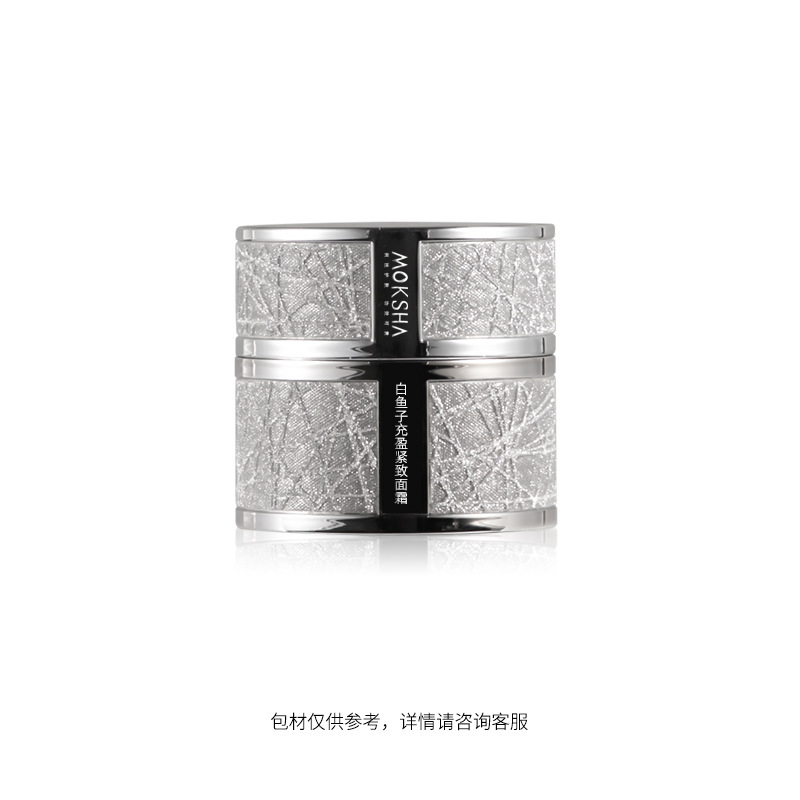
A summer cream aims to feel light and absorb fast; a winter cream aims to feel substantial without leaving a heavy film. The useful levers sit in the oil phase: shifting from light esters toward more nourishing plant oils and waxes with better occlusive behaviour, while keeping absorption acceptable. Tune the oil phase composition rather than raising the total oil content, or the formula turns greasy without feeling more protective. A rich moisturising direction is shown in this firming face cream reference.
Active positioning should change with the season as well. Hydration and comfort stories replace brightening and oil control, which gives the winter line a clearly different shelf message. Swap the ingredient narrative with the season instead of reusing summer copy.
Hand Cream and Body Lotion: The Volume Categories
Hand cream is the dependable winter volume item, and its formula has more freedom than a facial product: richness can run high because the usage context forgives it. A two-tier structure works well, with a lighter daytime texture and a richer overnight one sharing the same scent family. Repurchase in this category runs on feel and fragrance, and both beat a longer ingredient list.
Body lotion needs one specific adjustment for winter: higher richness without losing spreadability, because a product that takes too long to disappear before dressing gets abandoned quickly. Richness and easy spread can coexist, but only if the oil phase and the thickening system are tuned together.
Lip and targeted care
Lip balms, lip masks and stick formats for elbows and heels have short development cycles and low unit prices, which makes them efficient basket-builders and gift-set components. Their formulas are simple, but fragrance migration into wax systems and pack sealing deserve early checks.
Timeline and Pack Coordination
The selling window opens around November, which means the schedule must be reversed from that date: formula lock has to leave room for stability observation, and packaging has to be ordered before peak-season logistics tighten and lead times stretch. Put stability observation and pack lead time into the reversed schedule, not against the launch date itself.
Pack choices follow the season: heavier glass, warm colour palettes, and dispensing systems that can move a thicker base. Filling accuracy also needs recalibration for higher viscosity. Production conditions are described in the workshop overview, and manufacturer capacity is summarised on the about us page.
A seasonal plan does not require rebuilding the range; it asks for a moisture ladder, a scent story and a pack language rearranged for cold weather. Read the demand rhythm correctly and reverse the schedule from the window, and the winter season becomes a repeatable revenue block. Requirements can be submitted through the contact page.
Frequently asked questions
Can you produce Building an Autumn and Winter Range under our own brand?
Building an Autumn and Winter Range is handled as a private label project: you bring the brand and the market position, we cover formula, bulk, filling and packing. Existing bases can be adjusted for texture, fragrance and active level, or we develop from a new brief. Tooling and artwork belong to you, and our name does not appear on the pack.
What is the minimum order quantity?
MOQ is set by net fill per unit: under 15 ml/g 5,000 pcs; 15-50 ml/g 3,000 pcs; 50-200 ml/g 2,000 pcs; above 200 ml/g 1,000 pcs. Several SKUs in one project can share a production run to reach the threshold.
How long do samples and bulk production take?
Samples take 7-10 working days from a confirmed brief, or 10-15 days when a new mould or artwork is involved. Bulk runs 25-35 days after sample approval and packaging arrival. Repeat orders with an unchanged formula usually move faster.
Which certificates and documents come with the shipment?
The plant runs under GMPC and ISO 22716 with a 100,000-class cleanroom. Each shipment can include COA, MSDS, the full INCI list, stability data and microbiological reports. For the EU we support CPSR and PIF paperwork; for other markets we prepare the file set your importer asks for.
Can we change the formula, fragrance or packaging?
Yes. Texture, viscosity, fragrance, colour and active percentage are adjustable within regulatory limits. Packaging can be sourced by you or by us: tubes, airless bottles, jars, sachets and aluminium foil bags, with silkscreen, hot stamping or label application.
What information do you need to quote?
Category and target function, quantity per SKU, packaging direction, destination market and launch date. With that we reply within 24 hours on business days with feasibility, MOQ and a price range. An NDA can be signed before formulas are discussed.
Need this produced? Talk to the factory.
Wangsha Bio has run OEM/ODM production since 2006: 60,000 sqm plant, 17 lines, 100,000-class cleanroom, GMPC and ISO 22716 certified. Send your brief and we reply within 24 hours on business days with feasibility, MOQ and a price range.
Email lucky@moksha-bio.com | Product range | Workshop