Qingyuan moksha Biotechnology Co., Ltd


Snail mucin moved from a niche Korean ingredient to a standard shelf item in a few product cycles, and it brought a formulation problem with it. The material is a natural filtrate with batch variation, a distinctive slimy texture that consumers either love or reject within one application, and a marketing story that invites claims the file cannot always support. Snail mucin is a texture project with an ingredient story attached, not the other way round. This guide covers the decisions that determine whether the product feels premium or unpleasant.
Raw Material Grades and How They Differ
Snail secretion filtrate is supplied as a clear to slightly cloudy liquid at various concentrations, sometimes standardised to a stated content, and sometimes sold as a diluted or reconstituted version. The declared content on the pack has to match what is actually added, and that number is often the single largest driver of raw material cost in the formula. Confirm the declared content before pricing the product, because the same brief can be built at several different cost levels.
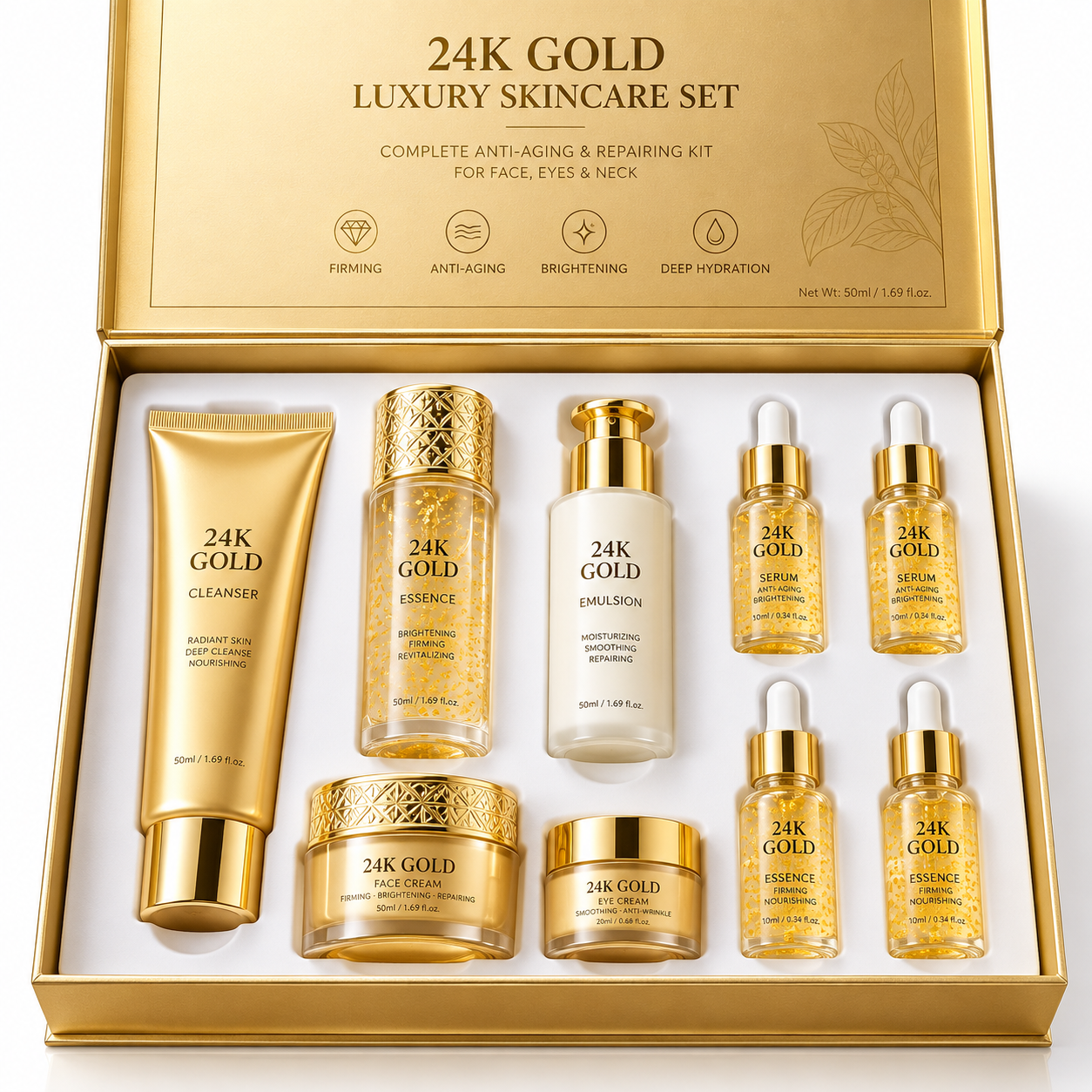
Sourcing also raises an animal-origin question that some markets and some buyers care about. Documentation covering the source, the collection process and the preservation method used at the raw material stage should be available from the supplier chain. Animal-derived inputs need documentation on origin and treatment, not just a specification sheet. Reference formats in the current range include this mucin-format skincare set.
Texture: Tackiness Is the Real Brief
Snail filtrate is viscous, slightly elastic and prone to stringing. In an undiluted or high-load formula it can feel tacky for minutes after application, which some consumers read as efficacy and others read as discomfort. The formulation task is normally to keep the ingredient story at a credible level while reducing the perceived stickiness. Reducing tack is a sensory goal that has to be measured, not argued about.
Several levers control it. Lowering the filtrate load, adding a volatile or light emollient, adjusting the humectant ratio, and choosing a gel network that breaks cleanly all shift the perceived feel. Testing should compare three or four variants with the same panel and the same application amount, scoring tackiness at a fixed interval. A fixed measurement time turns a subjective debate into a repeatable result. A higher-load direction is shown in this snail mucin set reference.
Layering behaviour
Mucin products are usually used inside a multi-step routine, beneath a cream. A gel that forms a film and then rolls up under the next layer will be judged as defective regardless of its ingredient list. Layering compatibility should be tested with the products the item will actually be used with, not only in isolation.
Preservation and the Natural-Input Question
A natural filtrate brings a microbiological load into a water-rich base, and the preservation system has to handle both the base and the input. Incoming specifications for the filtrate, including microbiological limits and the preservation method applied at the raw material stage, are therefore part of the product specification. Finished-product test results alone do not prove that an input arrived clean.
Where a brand wants a shorter, more familiar preservative list, the standard levers apply: reduce water activity through humectant content, choose a sealed pump rather than an open jar, and set a realistic period-after-opening statement. The preservative question should be resolved together with the pack, because changing the pack afterwards invalidates the preservation work.
Compatibility With Other Actives
Mucin is frequently combined with niacinamide, hyaluronic acid, peptides or centella. Each combination introduces its own behaviour: some actives shift the viscosity of the gel network, some change the clarity of the finished product, and some affect odour. Combination formulas should be sampled as a new formula rather than as an addition to an existing one.
Electrolyte content is the usual hidden variable. A filtrate carries dissolved solids, and many common gelling agents lose viscosity in the presence of electrolytes. That effect is not visible in the formula sheet, only in the sample. Test the gelling system with the actual filtrate grade, because behaviour differs markedly between suppliers. A related gel-format reference is shown in this mucin set.
Claims, Sampling and Specification Items
Claims for this category drift easily. A stated filtrate content is a factual statement that must be documented and matched by the formula. Any implied effect on skin structure or repair moves the product toward the medical line and should be removed. Every number printed on the pack needs a file behind it, and the file has to be produced before artwork is signed off.
Four items belong in the written specification: the declared filtrate content with its permitted variation, incoming microbiological limits for the filtrate, the challenge test method on the finished pack, and the pH range with tolerance. Manufacturer capability is described in the workshop overview, credentials appear on the about us page, and briefs can be sent through the contact page.
Snail mucin sells on a distinctive feel and a documented content figure. Choose the grade deliberately, measure the tackiness, prove the preservation system in the final pack, and keep the claims inside the file. Handle those four and the format stops being a novelty and becomes a repeat purchase.
Frequently asked questions
Can you produce Snail Mucin Skincare OEM under our own brand?
Snail Mucin Skincare OEM is handled as a private label project: you bring the brand and the market position, we cover formula, bulk, filling and packing. Existing bases can be adjusted for texture, fragrance and active level, or we develop from a new brief. Tooling and artwork belong to you, and our name does not appear on the pack.
What is the minimum order quantity?
MOQ is set by net fill per unit, not by category:
| Net fill | MOQ |
|---|---|
| < 15 ml/g | 5,000 pcs |
| 15-50 ml/g (50 included) | 3,000 pcs |
| 50-200 ml/g (200 included) | 2,000 pcs |
| > 200 ml/g | 1,000 pcs |
Several SKUs in one project can share a production run to reach the threshold, and a smaller trial order is possible once the formula is approved.
How long do samples and bulk production take?
Samples take 7-10 working days from a confirmed brief, or 10-15 days when a new mould or artwork is involved. Bulk runs 25-35 days after sample approval and packaging arrival. Repeat orders with an unchanged formula usually move faster.
Which certificates and documents come with the shipment?
The plant runs under GMPC and ISO 22716 with a 100,000-class cleanroom. Each shipment can include COA, MSDS, the full INCI list, stability data and microbiological reports. For the EU we support CPSR and PIF paperwork; for other markets we prepare the file set your importer asks for.
Can we change the formula, fragrance or packaging?
Yes. Texture, viscosity, fragrance, colour and active percentage are adjustable within regulatory limits. Packaging can be sourced by you or by us: tubes, airless bottles, jars, sachets and aluminium foil bags, with silkscreen, hot stamping or label application.
What information do you need to quote?
Category and target function, quantity per SKU, packaging direction, destination market and launch date. With that we reply within 24 hours on business days with feasibility, MOQ and a price range. An NDA can be signed before formulas are discussed.
Need this produced? Talk to the factory.
Wangsha Bio has run OEM/ODM production since 2006: 60,000 sqm plant, 17 lines, 100,000-class cleanroom, GMPC and ISO 22716 certified. Send your brief and we reply within 24 hours on business days with feasibility, MOQ and a price range.
Email lucky@moksha-bio.com | Product range | Workshop